As bank transfer fees have been substantially raised in North Korea, voices of discontent are emerging among residents. Since last year, cash usage by individuals and businesses in North Korea has gradually declined as cashless payments have advanced, and criticism is mounting that the fee increase is exploiting this trend. (ISHIMARU Jiro / KANG Ji-won)
Criticism that "the increase exploits the shift to cashless payments"
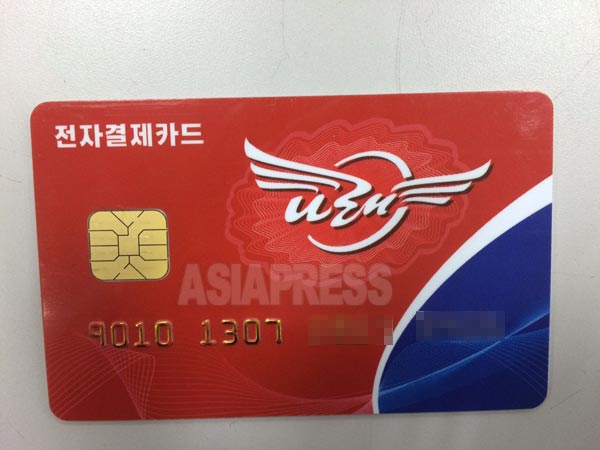
At the end of 2023, the Kim Jong-un regime began transitioning the payment method for government employees' and enterprise workers' wages from cash to card deposits. This involves electronic payment-only cards similar to debit cards, which can be used at state-run stores, grain sales outlets called 'ryangok panmaeso,' and markets. Additionally, since 2024, intranet banking that enables transfers between institutions and individuals has been expanding.
This major increase in bank transfer fees appears to be riding the wave of cashless payment adoption, prompting complaints that "it's too expensive."
What are the actual transfer fees? Reporting partner A in North Hamgyong Province reported in late October that "as more people use bank transfers, they recently raised the maximum transfer fee from 5% to 8%."
When checking with reporting partner B living in Ryanggang Province, they provided the following details on November 27:
"Originally it was 2% regardless of amount, but it gradually increased to 5%, and recently they raised it again. It varies by transfer amount - up to 3 million won is 5%, with a maximum of 8%. Even when trying to withdraw cash from your own account at the bank, they don't readily comply and force you to deposit via card. They say it's because if they give cash to residents, it won't return to the bank."
A transfer fee of 8% is an extremely high rate. A expressed frustration, saying "It's too expensive. The country is trying to make money." B said: "Electronic transfers are certainly convenient, and aside from rural areas, almost everyone now transfers money through banks or cards, but they made it difficult to use cash and then raised the fees."
*Note: 10,000 North Korean won is approximately 0.286 US dollars.
ASIAPRESS was unable to confirm whether fees differ among banks.