◆ Iran tensions, trade deficit, and the spring lean season as possible causes
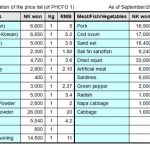
The sharpest increases in March have been in fuel and foreign currency. The turmoil in global energy markets triggered by US and Israeli strikes on Iran may be affecting fuel conditions inside North Korea. Meanwhile, North Korea's trade with China — which accounts for 95% of its total trade — continues to run a deficit, worsening the country's foreign currency shortage.
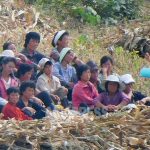
On the food side, the country has entered the spring lean season, when domestic stocks typically run low. In most years, food prices in urban areas tend to rise during the lean period between harvests, which is from the June potato harvest through the corn harvest in August and September.
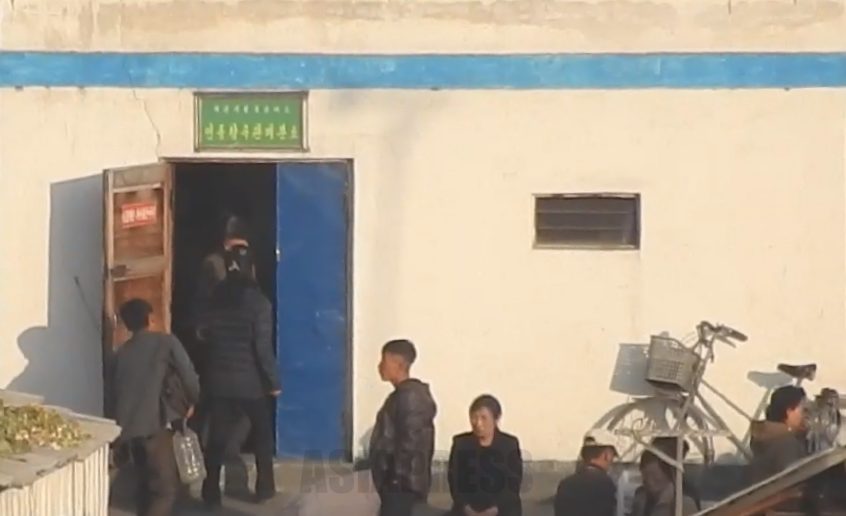
Ordinary workers' wages remain fixed at state-set levels, currently around 35,000 to 50,000 won per month. Private economic activity is strictly controlled in North Korea, making it increasingly difficult to earn income beyond one's official wages. State grain stores (ryanggok panmaeso) sell corn at roughly 3,500 won per kilogram, but quantities are limited. This makes it nearly impossible for a family to secure enough food on wages alone. With prices continuing to climb, the hardship facing ordinary North Koreans is only growing worse.
※ As of March 13, 10,000 North Korean won is equivalent to approximately 0.1923 US dollars.
※ ASIAPRESS communicates with its reporting partners through Chinese cell phones smuggled into North Korea.