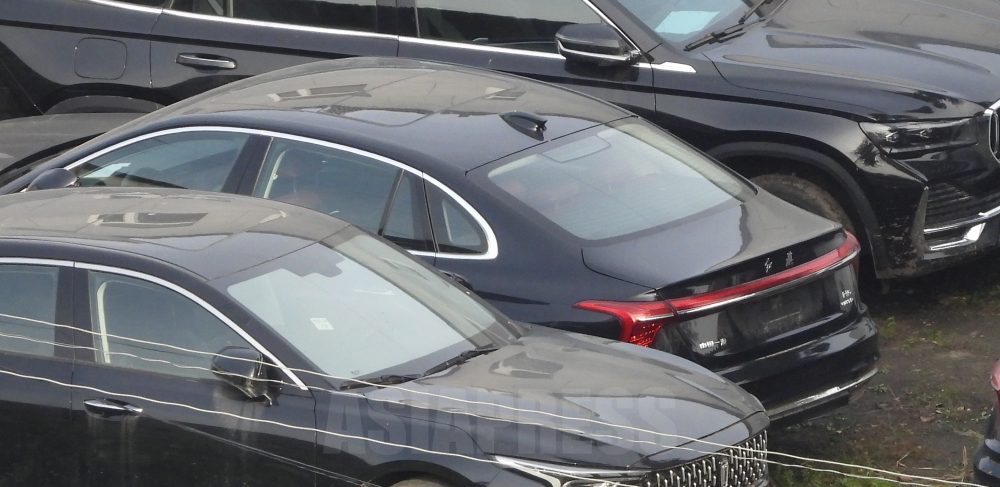
North Korean authorities have broken a socialist economic taboo by allowing private ownership of vehicles—means of production—and laid out a new playing field. Quick-witted donju (wealthy entrepreneurs) are rushing to enter this market. The reason is clear: there's money to be made. Based on reports from reporting partners in North Korea from the second half of 2024 through November 2025, ASIAPRESS analyzed the reality of the donju-led vehicle business through two key axes: supply (controlling distribution networks) and operations (logistics and transportation). (JEON Sung-jun / KANG Ji-won)
◆ Donju Also Involved in State Smuggling
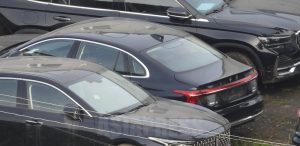
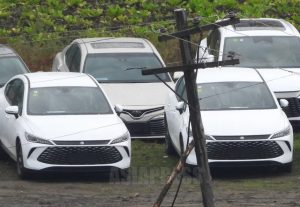
The first thing donju set their sights on was the entry point for vehicles—the profit margins in the supply chain. The state needs vehicles but lacks payment capacity, so it has to rely on donju funding. As a result, except for vehicles essential to the military or public sector, the real driving force behind vehicle smuggling is "private" capital operating under the state's banner.
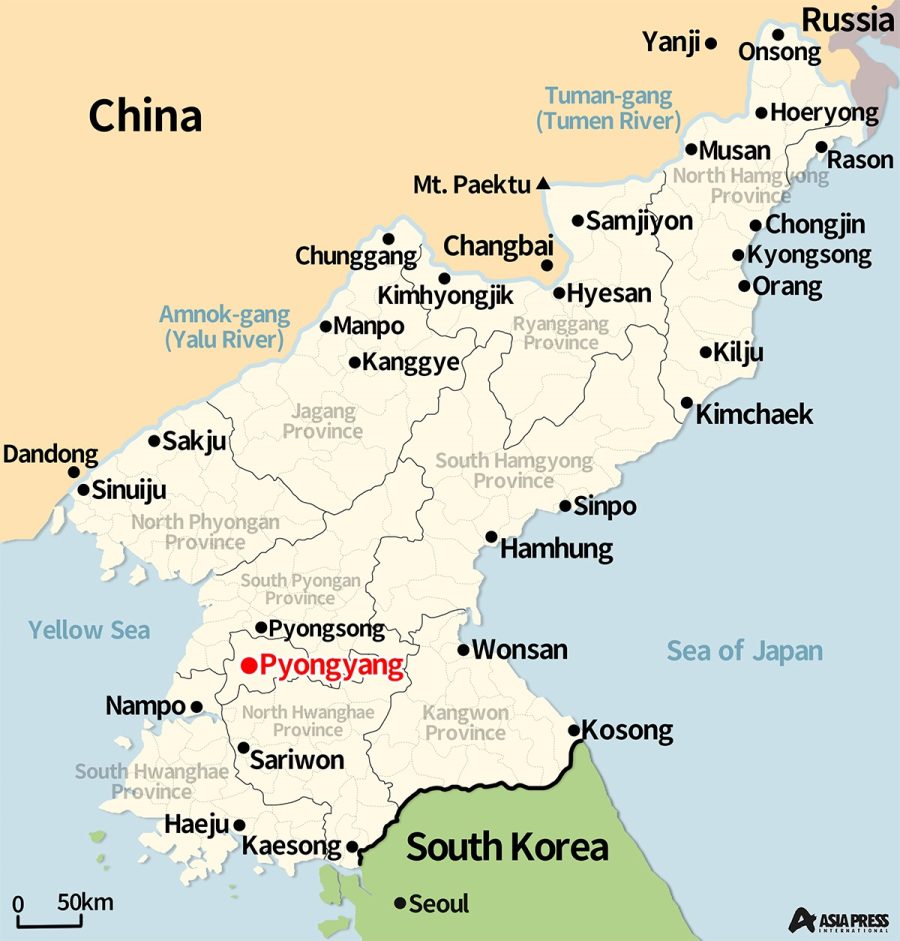
In mid-October this year, a reporting partner in Hyesan reported on the vehicle smuggling situation as follows:
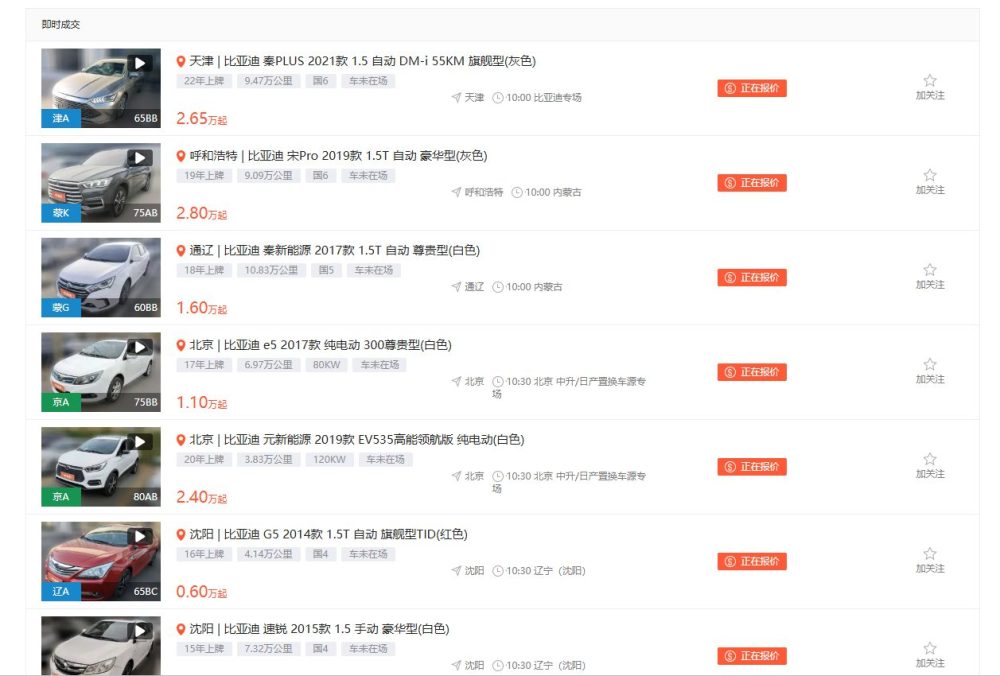
"Individuals don't do (vehicle smuggling) directly. Donju collude with trading companies, providing the money to import them. Vehicle prices range from 150,000 yuan to over 500,000 yuan for expensive ones. Popular ones are used BYD cars in the 100,000 yuan range."
Even a simple comparison with Chinese used car trading sites shows a price difference of tens of thousands of yuan from North Korean transaction prices.
However, those who can get into this structure are limited to donju with advantages in capital and connections. What's interesting is that donju's profit-making methods have shown different patterns over time.
◆ Deformed Parts Business: Dismantling Used Cars for Sale
In the early stages of donju entering the vehicle smuggling supply chain, the most lucrative profit came from the parts business.
In October of last year (2024), a reporting partner in Ryanggang Province reported on the deformed profit structure where donju smuggled in old used cars and dismantled them for sale.
"In August, a donju from Pyongsong (South Pyongan Province) smuggled in a used Chinese BYD truck, dismantled it, and sold it as parts, making a lot of money. It was purchased under the name of Pyongsong Food Factory, but was actually scrapped and sold for parts."
The reporting partner explained that they targeted the fact that many vehicles had stopped running due to parts supply disruptions during the COVID-19 border lockdown, buying used vehicles on the verge of being scrapped in China at throwaway prices. This can be seen as a phenomenon arising from North Korea's unique isolated situation.
◆ "License Plate Swapping" Method
As used vehicle sales gradually increased this year, new money-making methods have been reported. This is the "license plate swapping" method, which cleverly circumvents state control in the supply process through loopholes.
In April 2025, a reporting partner in Hyesan, Ryanggang Province, explained the method in detail:
"They bribe the Post 10 checkpoint (Ministry of State Security) leading to the border and the Ministry of Social Security, bringing in only the license plates from old (already registered) cars, attaching them to new smuggled cars and taking them out. The old vehicles are scrapped on their own, and instead new vehicles are put into operation."
According to the reporting partner's explanation, during a travel permit inspection at a border checkpoint, the lack of operation records became a problem, and the trigger for discovery was a timing mismatch with a soldier who had been bribed in advance and was supposed to be there when the vehicle passed.
The reporting partner continued: "All donju are involved, and they're afraid the problem will get bigger, so they pay bribes in advance. They reportedly made about 30,000 yuan per car."
◆ Making Money Through Taxi and Rental Car Operations
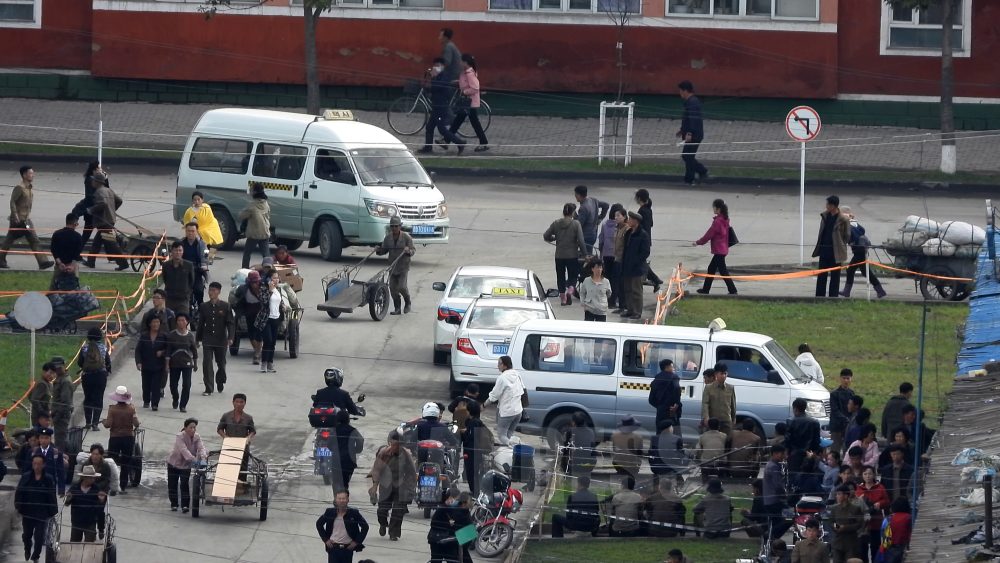
Donju who couldn't break into the supply chain due to relative limitations in capital or connections with power appear to be turning their attention to making money through actual vehicle operations such as logistics and transportation.
Donju who have secured vehicles are now generating profits through passenger and transportation businesses, including taxis.
Meanwhile, "electric taxis" are popular in Hyesan. A reporting partner in Hyesan, Ryanggang Province, reported on the popularity of electric taxis that appeared in the city in July 2025 as follows:
"In May, the Passenger Transportation Company imported three electric cars through state smuggling. The External Economic Ministry brought them in used through the Geumeunsan Company, and the company bought and operates them. Gasoline taxis charge 25,000 won, but electric taxis are cheaper at 15,000 won, so passengers compete to ride them."
*10,000 North Korean won equals approximately 0.3 US$.
The reporting partner explained that although they're used cars that need to be charged once a day and have weak undercarriages so they're only used within the city, they're highly popular due to their low prices.
The reporting partner also reported cases of individuals operating 2-3 taxis under family members' names.
Along with this, a North Korean version of rental car business has emerged, where vehicles are rented out to customers.
"There are also places that rent out vehicles for a set period and charge money. People go on trips, but it's only possible within the province. Including dedicated driver costs and fuel, the weekly usage fee is about 8-12 million North Korean won."
Vehicle-based businesses show regional differences, and demand is presumed to be much higher in major cities like Chongjin and Hamhung compared to the border region of Hyesan. In fact, it has been reported through multiple channels that the Amisan Auto Service Center located in Pyongyang's Hwaseong District conducts not only vehicle sales but also rental car services.
◆ Deepening Class Conflict... Even “Terrorism Against Vehicles”
As a result of the state loosening restrictions and donju ambitions being realized, North Korea's roads have begun to show vitality. Vehicles on North Korean streets seen from China last September had noticeably increased compared to a year ago.
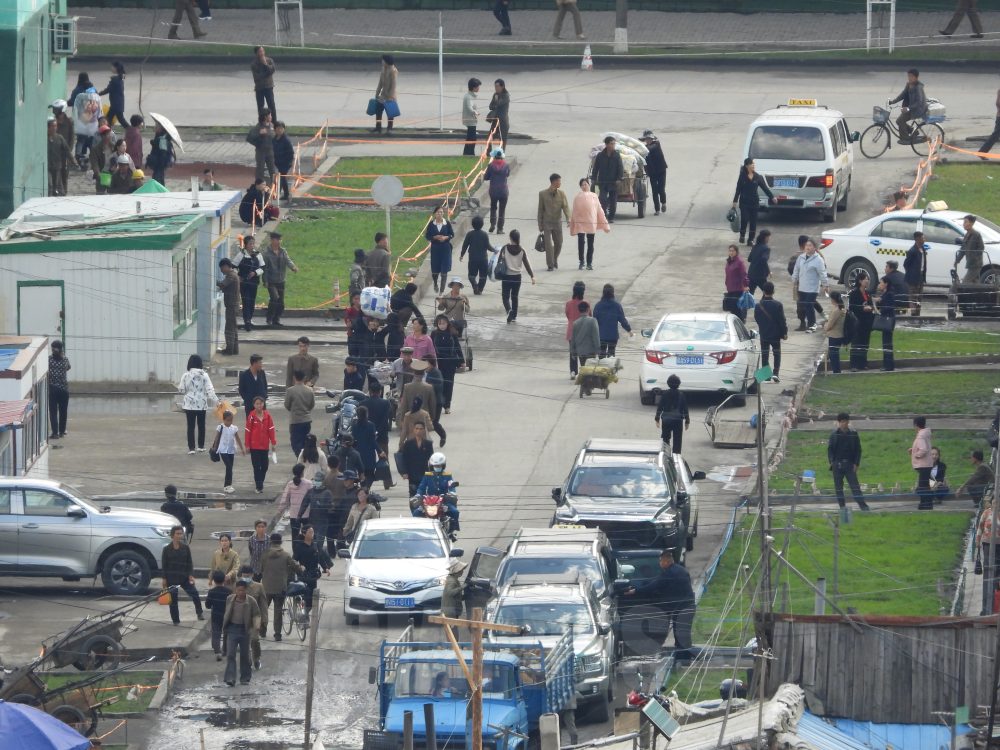
However, the rapidly increasing number of vehicles is stimulating hidden feelings of deprivation among North Koreans, igniting new seeds of conflict. Recently, incidents of throwing filth at or vandalizing parked vehicles have been occurring frequently in the area.
The next installment will deliver vivid internal news about the changing atmosphere in North Korea surrounding private vehicle ownership. (to 4 >>)
- <Analysis of N. Korean photos>N.K-China Border: Scene of Massive State Smuggling (1) Smuggling Vehicles Fill Even School Playgrounds; Parking Shortage Emerges in Hyesan City
- <Super-telephoto Lens Report> One Year After Floods, What Does the Site Look Like Now? (1) Rows of New Apartments... But Look Closely and Tiles Are Already Falling Off (10 Photos)
- <Inside N. Korea>Continuing to Heroize Russian Deployment War Dead with Propaganda... Videos Have Significant Effect: "Some People Cry Along with Kim Jong-un's Tears”
- <Inside N. Korea>Almost Like Farmers? Military Farm Deployments Become Routine… Farms Welcome Free Labor, but Authorities Worry About Soldiers' Misconduct
- The Rise and Fall of the New Wealthy Class 'Donju' in the Kim Jong-un Era (4) The Establishment of the 'Enterprise Responsibility Management System' - The Dawn of the Corporate Age... Donju Seizing New Opportunities