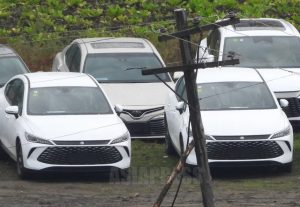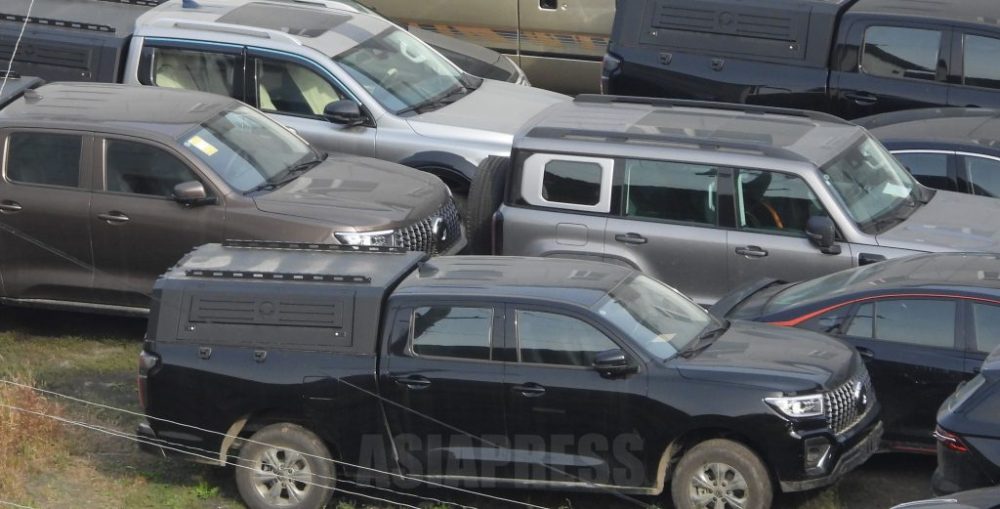
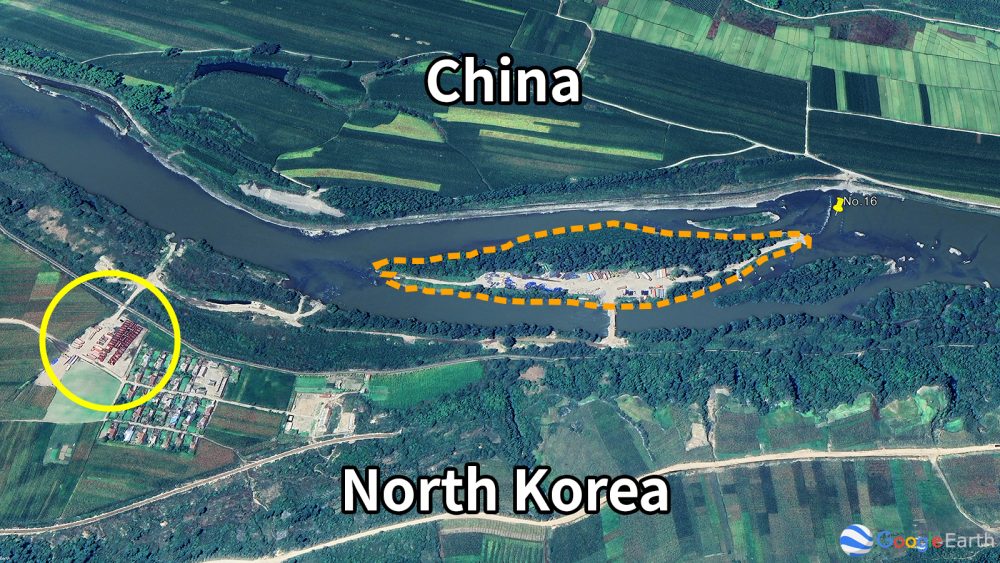
Recent activity along the upper reaches of the Yalu River, which marks the North Korea-China border, is far from ordinary. As previously reported by ASIAPRESS, schoolyards in Hyesan are filled with smuggled Chinese vehicles, and mid-river islands in the Yalu have transformed into massive smuggling hubs—unprecedented scenes of large-scale vehicle smuggling have been captured. Unlike past covert trade focused on daily necessities, this is an organized, state-led influx of goods on a different scale.
Why is the North Korean regime orchestrating such a massive vehicle smuggling operation now? This analysis focuses on two key factors: the explosion of pent-up demand for vehicles and the regime’s policy shift allowing private car ownership to alleviate its financial crisis. (By JEON Sung-jun / KANG Ji-won)
■ Explosion of Suppressed Demand After Around 8 Years of Blocked Vehicle Imports
North Korea has faced a double blow in recent years: stringent UN Security Council sanctions and the COVID-19 pandemic, which led to border closures. During this period, imports of not only complete vehicles but also essential parts and engines were completely cut off. As a result, existing vehicles broke down for lack of repairs, and aging fleets reached their limits. The shortage of vehicles has caused serious disruptions across the board—from military and public services to medical, logistics, and construction sectors.
Even after the pandemic, when borders reopened, the situation did not improve. Chinese authorities, citing compliance with sanctions, remained uncooperative in exporting vehicles and parts to North Korea. Until early this year, China cracked down on smugglers and bribed border guards involved in illegal trade with North Korea.
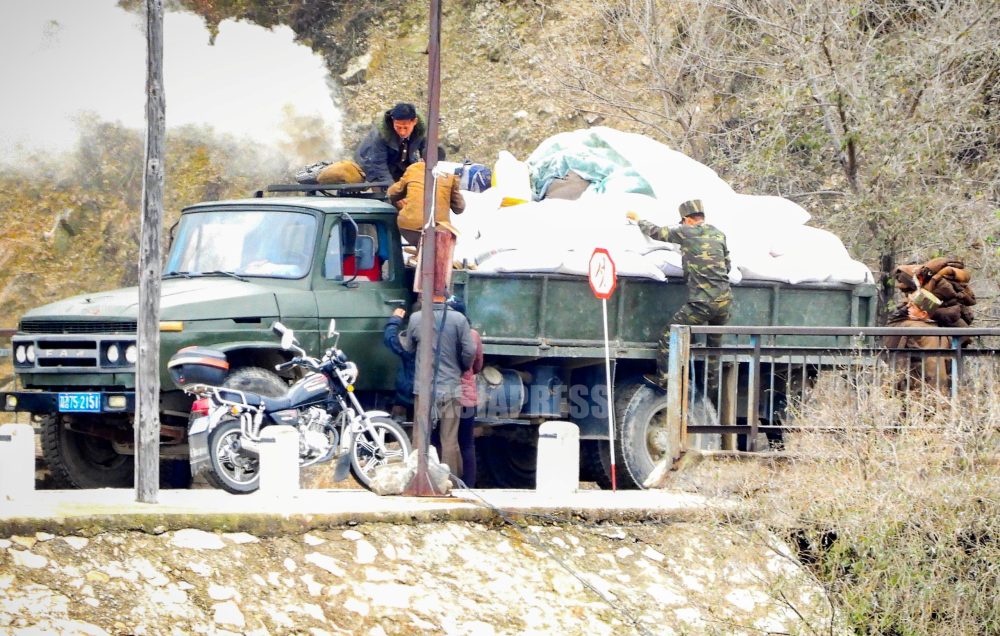
But the tide turned in the second half of the year. As North Korea-China relations improved, China turned a blind eye, and state-led vehicle smuggling surged. The countless trucks now crossing the border are evidence of the explosive demand built up over years of vehicle shortages.
■ Breaking Taboos: The Policy Shift Behind Private Car Ownership
However, high demand alone cannot explain the scale of smuggling—money is needed to import vehicles. Here, a crucial policy change comes into play: the Kim Jong-un regime has suddenly allowed private car ownership, lifting an 80-year ban.
The structure of vehicle distribution is notable. The state monopolizes imports and resells vehicles to institutions, enterprises, and affluent individuals. According to an ASIAPRESS reporting partner in Ryanggang Province in mid-November:
“Groups of 3-5 people pool money to buy a car and share it as needed. Because of this, more people are getting driver’s licenses.”
In other words, the state acts as the sole importer and seller, while individuals become legal buyers. Why is the regime, which once treated socialist principles as sacrosanct, now selling cars to private citizens?


![[Video Report] Nominal Farm Mobilization: People Feel Squeezed](https://www.asiapress.org/rimjin-gang/wp-content/uploads/2018/07/mqdefault-150x150.jpg)