◆ Backlash against inequality: 'terrorism' including spitting on cars, urinating, and vandalism
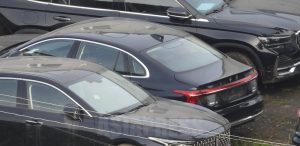
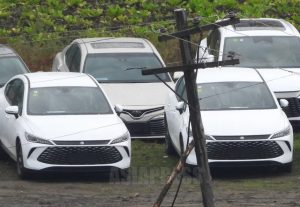
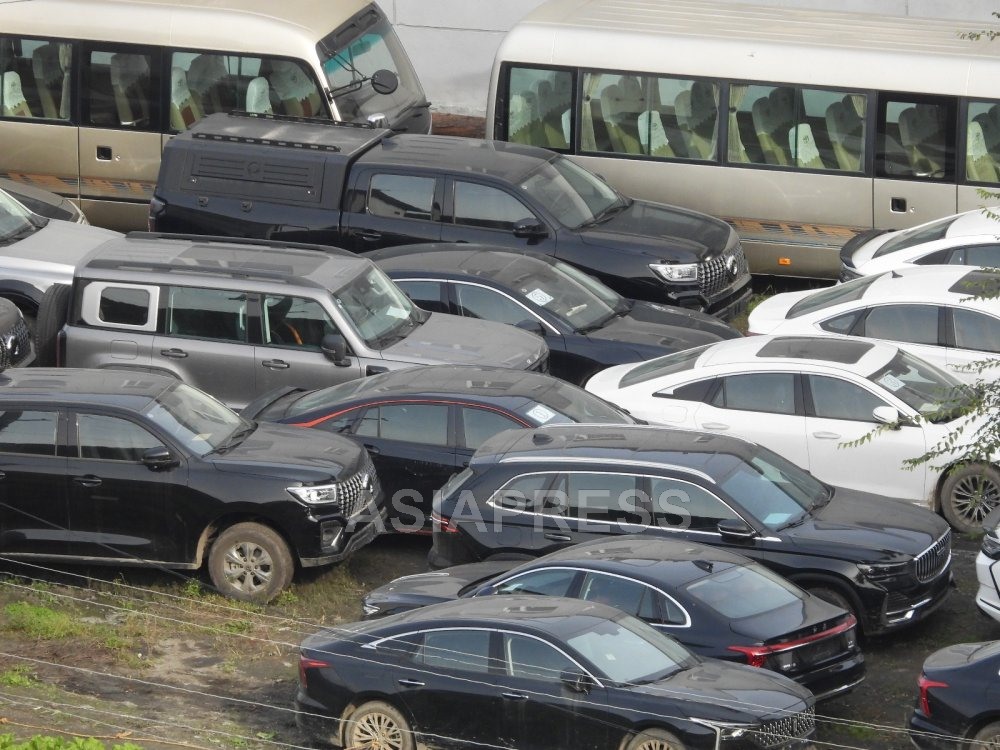
The increase in private vehicles has brought contradictions and problems in North Korean society to the surface. The most serious is class conflict.
This appears to be the result of the wealth gap progressing within North Korea becoming visible as more individuals own vehicles.
Ryanggang Province partner A reported the following in mid-November:
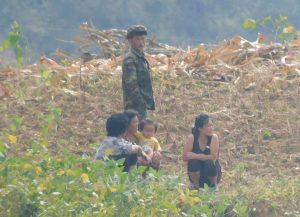
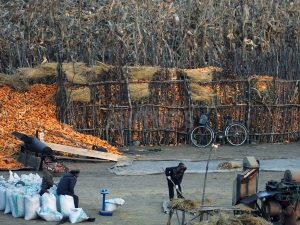
"The government says it's a country where everyone lives well together, but some people ride in cars while others don't even have bicycles and walk around, so there are people who are jealous."
A North Hamgyong Province-based reporting partner also said the following in late November:
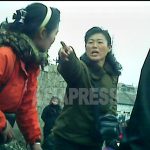
"As many cars move around, complaints from those without have become more severe. People spit on cars, urinate on wheels, and scratch the body, so people with cars can't bring their cars to their own neighborhoods. Previously, people lived on whatever the Workers’ Party provided, but suddenly individuals acquire automobiles, so there are more people complaining in the manner 'what makes me inferior to you?'"
In response, the 'haves' are busy defending themselves. The reporting partner explained that "well-off people dig underground garages in their detached house yards to hide their cars, or use parking lots with security guards, paying 150,000 won per month."
There are also signs of engaging in 'face-saving donations' to deflect critical public opinion, such as openly donating firewood to schools and families of honored soldiers.
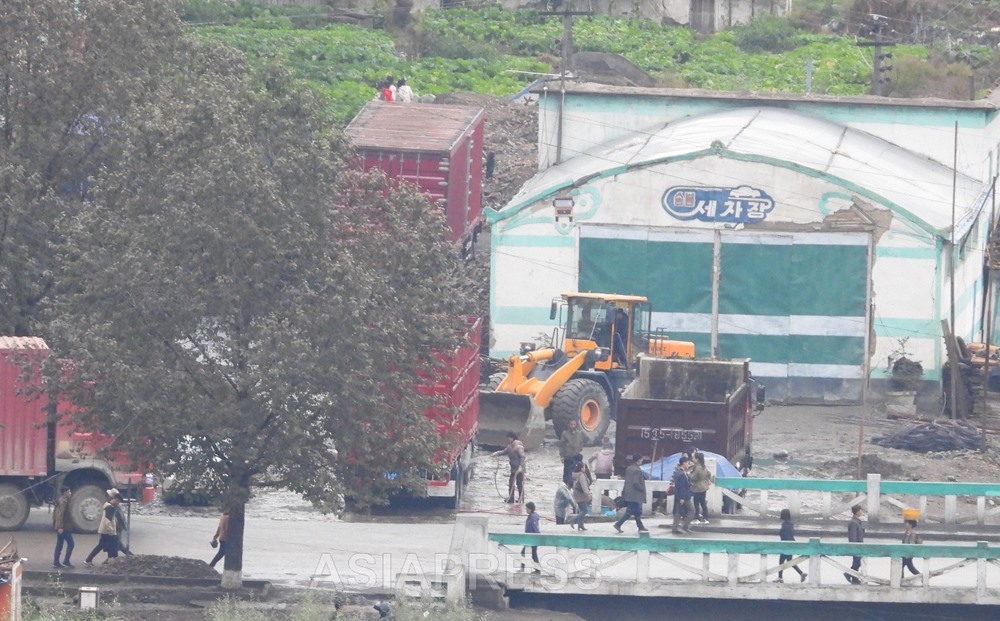
◆ Will private vehicles bring about change in North Korea?
Over four installments, ASIAPRESS tracked the realities concerning vehicle smuggling in North Korea and the resulting changes.
It's virtually impossible for ordinary citizens, whose average monthly wages are about 50,000 won (approximately 2,000 South Korean won), to own vehicles. However, North Korea's 'private car era' may be here because many believe that 'anyone can own a vehicle.'
While the new policy clearly appears to be causing meaningful changes in North Koreans’ way of life, North Korean authorities are still adhering to strong control mechanisms.
The North Hamgyong reporting partner suggested authorities have created tight mechanisms of control, saying "if you violate traffic regulations five times, your license is suspended, and if a vehicle is used for illegal activities, it's immediately confiscated."
Will recent changes serve as a catalyst for economic vitalization within a controllable range as the Kim Jong-un regime intends? Or will they become a trigger for uncontrollable wealth gaps and the loosening of regime control? Ongoing developments will give us a sense of what is to come. (end of series)