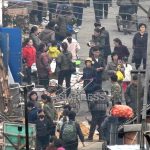
ASIAPRESS reported between last October and December, based on on-the-ground reporting and investigations by reporting partners in North Korea and China, that large-scale vehicle smuggling was taking place along the upper reaches of the Yalu River on the North Korea–China border. However, starting in late November, Chinese authorities launched a concentrated crackdown, and vehicle smuggling has dropped sharply, according to a reporting partner in China's Jilin Province who is familiar with local conditions. (ISHIMARU Jiro / KANG Ji-won)
◆Why is North Korea smuggling vehicles in such large numbers?
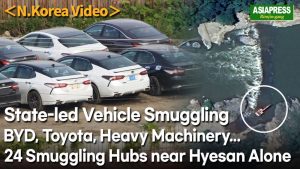
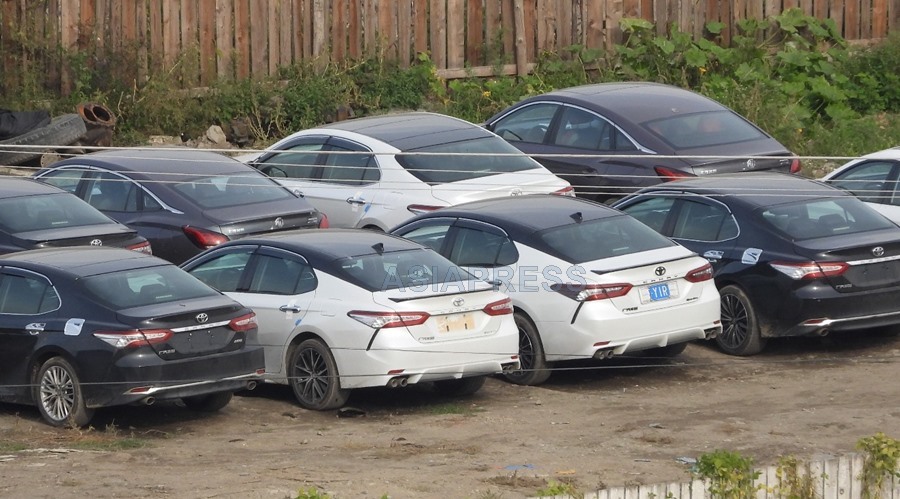
"It was a stunning sight, completely unlike anything from a year before. Chinese cars were lined up all over the streets of Hyesan in
Ryanggang Province. There appeared to be several hundred."
ASIAPRESS reporter Jeon Sung-jun recalled his visit to Changbai County in Jilin Province, along the upper Yalu River, in September 2025.
Exporting vehicles to North Korea violates the UN Security Council sanctions tightened in 2017. The Chinese government has been relatively compliant with these sanctions and has not permitted official vehicle exports. But for North Korea, which has virtually no domestic auto manufacturing capacity, a complete halt to imports — everything from passenger cars to trucks, farm equipment, and heavy machinery — is an existential issue both economically and militarily.
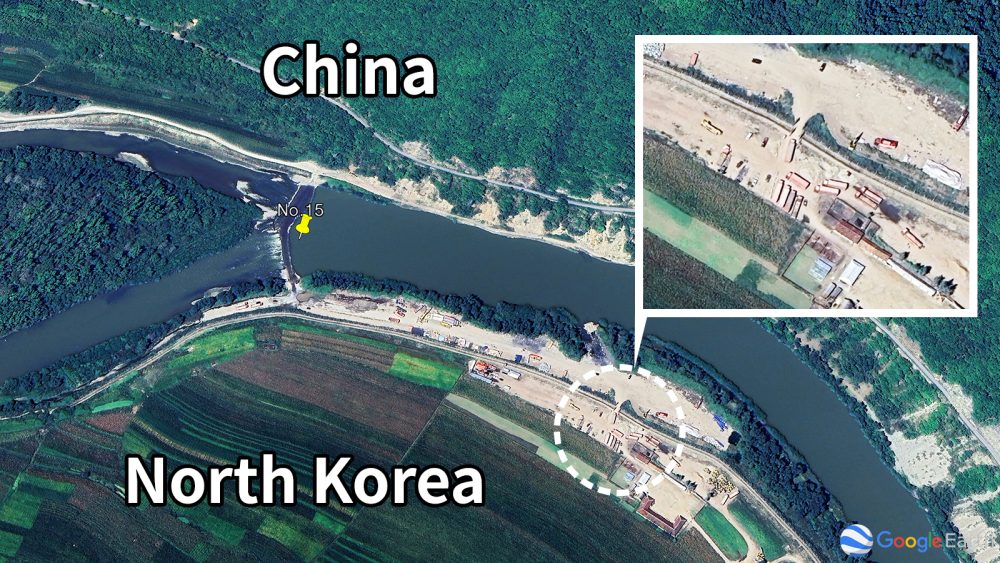
That is why state-directed vehicle smuggling has been underway. The hub for this activity is North Korea's Ryanggang Province and China's Changbai County in Jilin Province, where the Yalu River is narrow in its upper reaches. According to reporting partners on both sides of the border, vehicle smuggling surged before last summer, and what Reporter Jeon captured on camera were Chinese vehicles with no license plates, having just been smuggled across.
◆Did ASIAPRESS reporting prompt the Chinese government to act?
A reporting partner in Jilin Province told us in late January: "Vehicle smuggling dropped sharply starting in late November. It was because public security authorities in Jilin Province launched a crackdown after the story was reported in Japan and South Korea."
ASIAPRESS published eight related articles and videos between October and December, combining photographs taken on the ground with satellite image analysis of conditions inside North Korea.
ASIAPRESS provided video footage to South Korea's SBS network, where it aired as a news segment. Numerous other South Korean media outlets, as well as the U.S.-based North Korea specialist site NK News, cited ASIAPRESS in their own coverage. No Japanese or South Korean outlets conducted independent reporting on the matter, raising the possibility that it was ASIAPRESS's coverage that prompted the Chinese authorities to act.