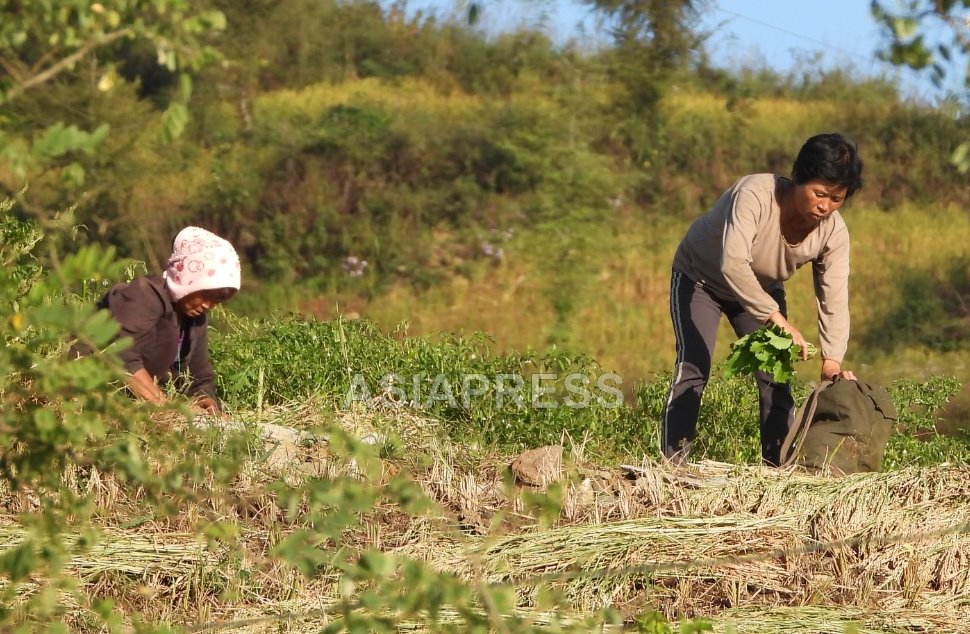
The Kim Jong-un regime's agricultural reform policy, which has been aggressively pursued in recent years, is now showing results on the ground. ASIAPRESS conducted in-depth investigations through internal reporting partners from October through late December 2025. The most notable finding was that the chronic distribution shortfall affecting farm workers since the "Arduous March" has been largely resolved. A "performance management system" allowing workers to earn more based on productivity is also being implemented, and farmers expressed cautious optimism about the new policy. (JEON Sung-jun / KANG Ji-won)
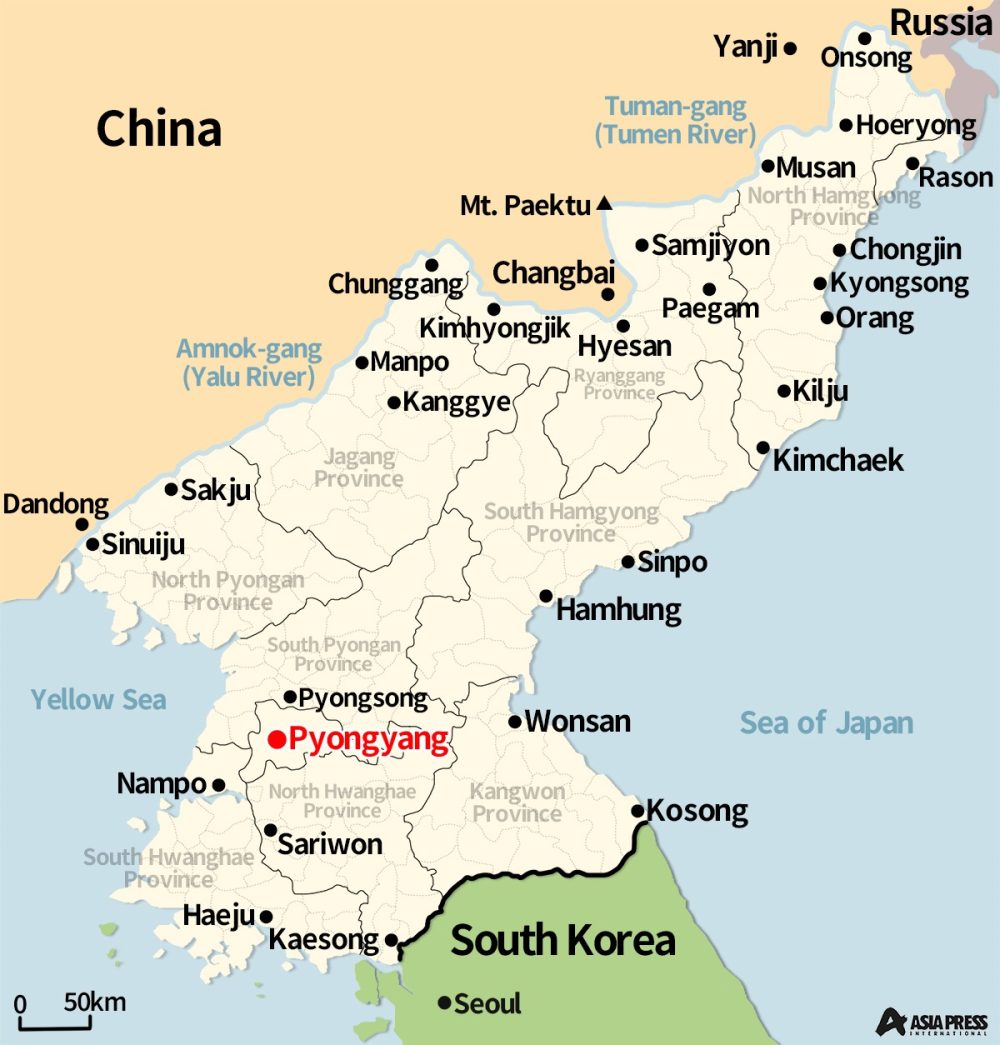
◆ Field Investigation of Two Farms in North Hamgyong Province
Two reporting partners investigated farms on the ground. Mr. A lives in a city and visited nearby Farm A to conduct his investigation, while Mr. B is a member of Farm B. Both farms have approximately 500 members—average-sized for North Hamgyong Province—and are typical northern farms where corn farming predominates over rice cultivation.
Before diving into the findings, let's review some key terms for understanding North Korea's agricultural system.
Historically, North Korea operated a system where cooperative farms produced grain according to state production plans, the government purchased it at state-set prices, and distributed it to the military and urban residents. Unlike workers who receive rations and wages, farmers get food and money at the end of the autumn harvest based on their accumulated "labor points" for the year—a process called distribution.
◆ What is the Kim Jong-un Regime's Agricultural Reform Policy?
The Kim Jong-un regime has implemented aggressive agricultural reforms since the early 2020s. The core objectives are boosting woefully inadequate agricultural production and restoring the state's monopoly over food distribution to strengthen control over the population through rice.
After the extreme economic crisis of the 1990s nearly collapsed the state rationing system, markets took over most food distribution. This weakened state control over residents and society—control the regime is now trying to restore.
To achieve this, the regime reorganized cooperative farms into "socialist agricultural enterprises" as autonomous management entities and introduced incentives allowing farm members to directly receive production beyond the state quota.
At the same time, the state monopolized food distribution, forcibly implementing a food monopoly, strictly banning cultivation of small private plots (individual garden plots), and enforcing stringent food controls.
◆ Distribution Increased, Incentive System Shows Results
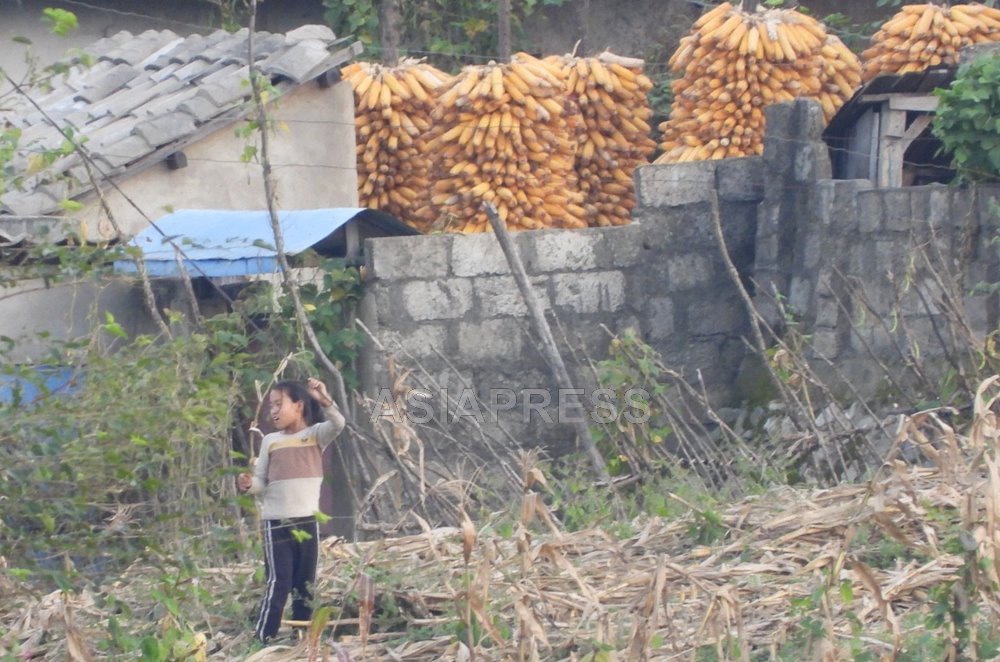
At both farms investigated, this year's harvest was relatively good and farm members' average distribution increased compared to last year.
"At the farm I investigated, the person with the highest labor points received 320kg. Average distribution is up. In the work team, two or three people got less than the standard distribution, but they were paid according to their attendance. The spring promise that you'd get what you work for was actually kept." (Reporting Partner A)
"If you fulfill 100% of labor points, the grain distribution is 267kg. On top of that, people received an additional 27-31kg through the performance management system. There are slight variations by work team and sub-team. This year, through the performance system, all additional production beyond quota was distributed to farm members after deducting farming material costs and operating expenses." (Reporting Partner B)
※ A sub-team is the lowest production unit on North Korean farms. Typically around 10 farm members form a sub-team, sub-teams combine to form work teams, and farms consist of anywhere from several to dozens of work teams.
◆ State Quotas Met... Contract Procurement with Enterprises Reached 95%
The increase in farmer distribution shows that both "mandatory procurement"—the state's top priority—and "contract procurement"—the second priority—were largely achieved. North Korea's 2024 revised Agricultural Law stipulates that farm member distribution can only happen after quotas are met.
Mandatory procurement is grain taken from the autumn harvest as payment for land, irrigation water, electricity, and farming materials the state provides to farms, with quantities determined by state-set prices. Food secured this way goes to rations for the military, public officials, and social security recipients.
Contract procurement involves contract-based agreements where farms supply food to nearby factories and enterprises, with amounts determined by total production minus mandatory procurement and farm distribution. This supplies rations to enterprise workers.
Partner. A shared positive local assessments of quota fulfillment:
"No farms failed to meet state quotas (mandatory procurement). The focus is on whether farms properly delivered contracted food to enterprises (contract procurement). I can't know exactly, but ordinary farm members say it was about 95%."
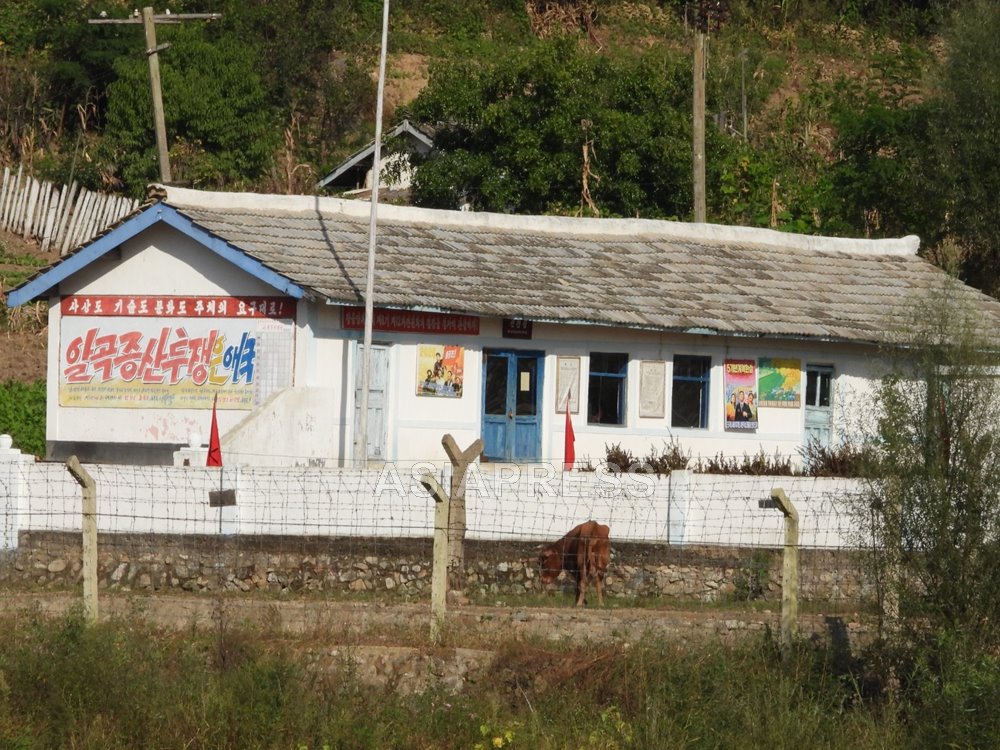
This is the first year the contract procurement system—previously only documented in legal texts—has actually been implemented since ASIAPRESS began investigating farms. Partner. B confirmed the contract procurement system is working:
"Enterprises get their allocated food through direct farm transactions (contract procurement), but it's tightly controlled—they can only take quantities designated by the Food Administration Bureau. Farms have virtually no say in the matter."
Partner. B noted that direct farm-to-enterprise delivery reduces losses in transit and ensures workers actually receive the food, which he sees as positive. We'll examine procurement prices paid by the state and enterprises for farm grain in detail in the next installment.
◆ "Not as Good as Private Plots... But Better Than Before"
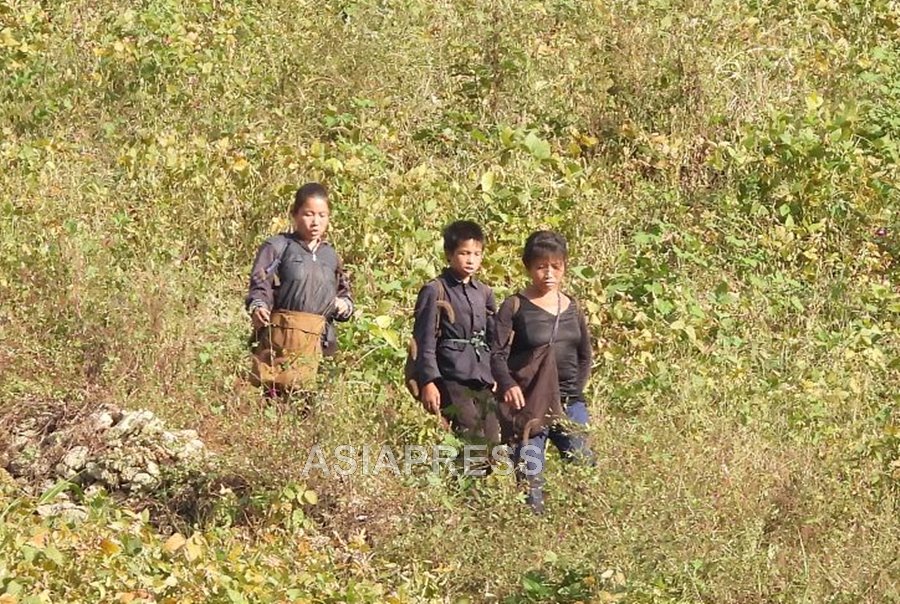
While farmers still regret losing the ability to cultivate private plots (individual garden plots), there's general recognition that the current performance-based distribution system is more efficient than the old cooperative farm model.
Partner. B described farmers’ reactions:
"Allowing private plots would be ideal, but that's not happening. People say the current system beats the old farming methods, but it's grueling—you get nothing unless you work yourself to the bone. As the system takes hold, people are realizing they need to put every bit of fertilizer they can on their sub-team's land."
Based on the farms investigated, this autumn's distribution results suggest the Kim Jong-un regime's agricultural reform policy is performing reasonably well. The increase in average farm member distribution is encouraging, but more importantly, the confirmed effectiveness of incentives signals positive prospects for the policy's long-term sustainability.
However, reporting partners note that new tensions are emerging between farmers and the state beneath these achievements. What are these conflicts, and what's causing them? We'll look at this in the next installment. (To be continued in the next installment)
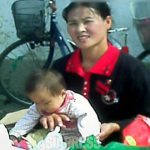
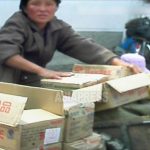
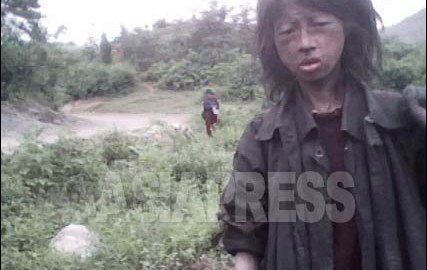
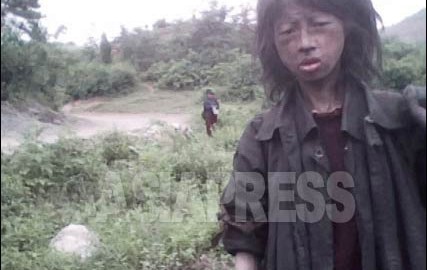
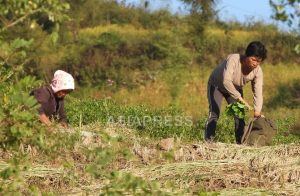
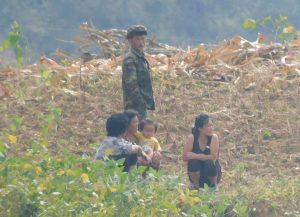
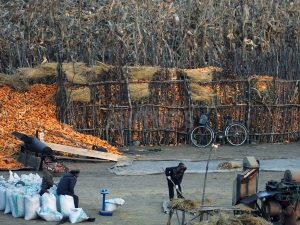
※ All photos were taken in September 2025 by the ASIAPRESS border reporting team. The photos were taken of Sakju County in North Pyongan Province from the Chinese side of the border.
※ ASIAPRESS communicates with its reporting partners through Chinese cell phones smuggled into North Korea.
- <Interview with a North Korean Woman>"It's Annoying and Unbearable" Surveillance and Control Intensified Through Inminban... Registration Required Even for Going Out and Returning Home
- Large-Scale Vehicle Smuggling Between North Korea and China: Structure and Background (2) Is There a Link Between the Surge in Vehicle Smuggling and the Permission for Private Car Ownership?
- <Analysis of N. Korean photos>N.K-China Border: Scene of Massive State Smuggling (1) Smuggling Vehicles Fill Even School Playgrounds; Parking Shortage Emerges in Hyesan City
- 'Russian deployment heroes’ stained with youth's blood (4) Suicide Heroes Become New Brainwashing Material... How Can We Break This Vicious Cycle?
- <Ultra-Telephoto Footage> Bridge Construction Between N. Korea and Russia Progressing Steadily - Dump Trucks, Cranes... Chinese Heavy Equipment in Action