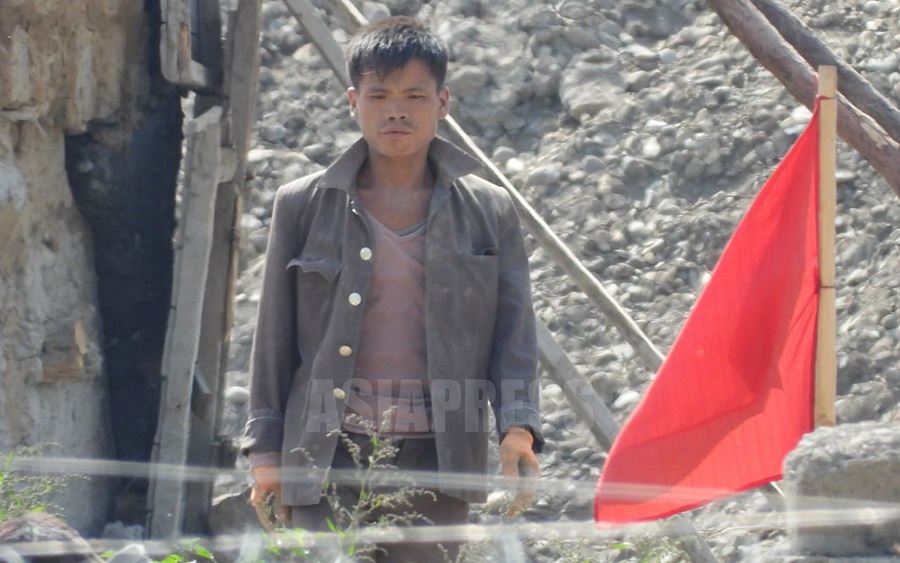
The authorities have been tightening their grip on the population in the wake of the Ninth Congress of the Workers' Party. The crackdown on "anti-socialist" behavior — once focused mainly on economic violations — has now expanded into the realm of personal morality and private life, targeting everything from domestic violence and divorce to public drunkenness.
What is particularly alarming is that past offenses for which people have already been punished are being resurrected and subjected to public criticism, creating a pervasive climate of fear through continuous surveillance. Reporting partners inside the northern regions of the country have provided the following account. (JEON Sung-jun / KANG Ji-won)
◆ Immoral Behavior Now Classified as "Anti-Socialist"
In the past, "anti-socialist" activity in North Korea referred primarily to conduct that threatened the state economic system — street vending, private boat ownership, informal lending, and individual trade.
But following the recent party congress, the authorities have begun invoking the banner of "improving the socialist cultural order" to classify morally objectionable behavior as "anti-socialist phenomena" subject to punishment.
Reporting Partner A, who lives in Ryanggang Province, provided a detailed account of conditions there in late January.
"The behaviors they've designated as immoral include: living together without registering a marriage (common-law cohabitation), polygamy, prostitution, hiring household servants, employing day laborers, divorce, domestic violence, neglecting elderly parents, indecent conduct in public places, drunken disorderly behavior, spreading rumors, and violating public order... That's what I can recall right now, but there are more."
This suggests that the authorities intend to subject every aspect of people's daily lives to moral scrutiny — eliminating any space that falls outside the reach of state control.
Photo 3: Map of North Korea (ASIAPRESS)
◆ Terrifying "Collective Struggle Sessions"
The methods of punishment have also become far more layered than in the past.
Whereas legal and administrative penalties were once the primary response to anti-socialist behavior, authorities are now supplementing these with economic punishments — including wage reductions and restrictions on robomulcha (supplementary labor materials) — as well as social and psychological penalties.
※ Robomulcha (로보물자): Short for "supplementary labor materials" (로동보충물자). These are incentive goods distributed by the state to workers in addition to regular rations and wages.
Particularly severe are the social punishments carried out through public criticism and denunciation meetings held within one's work unit or inminban (neighborhood unit), which effectively brand individuals with lasting stigma.
Reporting Partner B in Ryanggang Province described the terror of these "collective struggle sessions" in mid-February.
"At the Hyesan Shoe Factory, the Hyesan Steel Factory, and other workplaces, they're holding ideological struggle meetings, criticism sessions where people are put up on stage, and collective denunciation gatherings — all using real names and specific cases. People with issues (like divorce, cohabitation) are so distressed they even refuse to come to work."