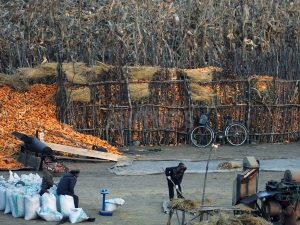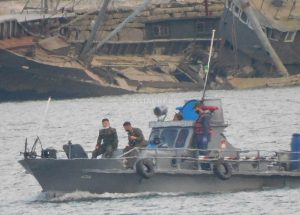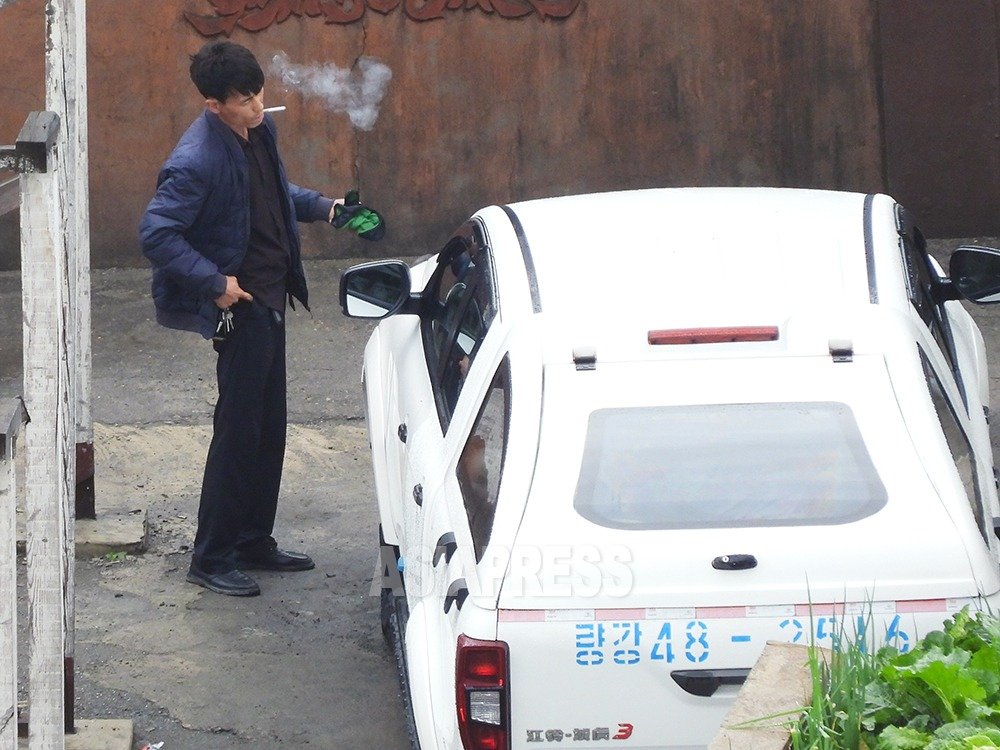
Since the North Korean authorities opened the Pandora's box of 'private vehicle ownership,' there have been positive changes such as activated passenger and logistics services and new money-making opportunities created by Chinese vehicles entering across the border. However, there are also considerable concerns, including growing inter-class conflicts. In October and November 2025, ASIAPRESS tracked changes and conflicts in North Korean society resulting from private vehicle ownership through reports from reporting partners in Ryanggang and North Hamgyong provinces. (JEON Sung-jun / KANG Ji-won)
◆ Excess smuggling leaves cars unsold, leading to group purchases and even 'installment plans'
While the number of vehicles flowing into North Korea has increased due to the permission of private vehicle ownership, there are also signs that desire for vehicles is outpacing the ability to pay.
Reporting partner A in Ryanggang Province reported the following in mid-November:
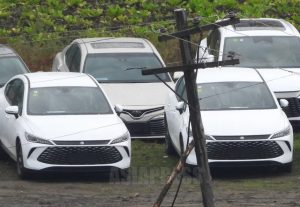
"Quick-thinking people brought in cars indiscriminately when private vehicles were permitted, but there's actually no one to take them. I heard there are cars propped up on stones because the tires might deteriorate after remaining unsold for over six months."
New purchasing and payment methods have emerged in response to this oversupply.
The first method is 'group purchasing.' The reporting partner said that "it's becoming popular for individuals to pool money and have 3-5 people buy one car together and share it when each person needs it."
Another method, according to the reporting partner, is a system of paying for vehicles in installments.
"Instead of paying the vehicle price all at once, you can repay it over a year, or they hand over the car on the condition of repayment with income earned through seafood or boats."
People’s desire to own vehicles has brought new changes to sales and payment methods.
◆ Differences in demand by region and class
Vehicle ownership and usage patterns appear distinctly divided by region and class. In border regions, 'practicality' seems to be the priority.
Reporting partner B in Ryanggang Province reported in early November that "due to terrain characteristics with many unpaved roads, electric cars are avoided because generators frequently break down. Diesel cars with good power and manual transmission vehicles are preferred."
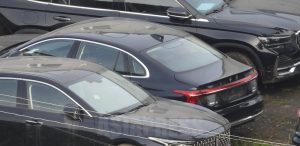
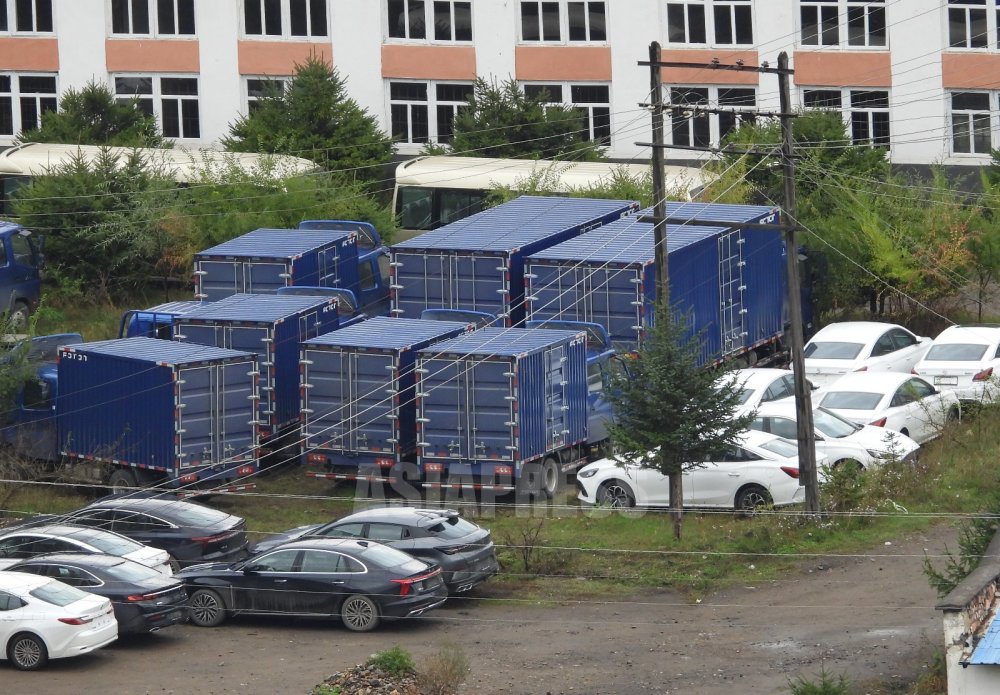
However, photos taken by ASIAPRESS in September showing cars parked in North Korea feature numerous luxury sedans and electric vehicles.
This suggests that in border regions including Hyesan, cheap and sturdy transportation vehicles prioritizing practicality are preferred, while in major cities including Pyongyang and Hamhung, there's likely high demand for expensive luxury sedans to display individual status and wealth.
Indeed, in videos posted on social media by Chinese exchange students living in Pyongyang, luxury sedans with yellow license plates are frequently shown driving through Pyongyang streets.
As vehicles have increased, the cost of obtaining a driver's license has also skyrocketed.
The reporting partner said in October that "you can get a license through three months of intensive education, but because many people want to drive vehicles, the license acquisition cost (including bribes), which was previously 300-500 yuan, has risen to 1,200 yuan, and the test has become stricter."
*Note: 100 Chinese yuan is approximately 14 US dollars.