◆Selling Food Without Government Approval = Black Market Trading
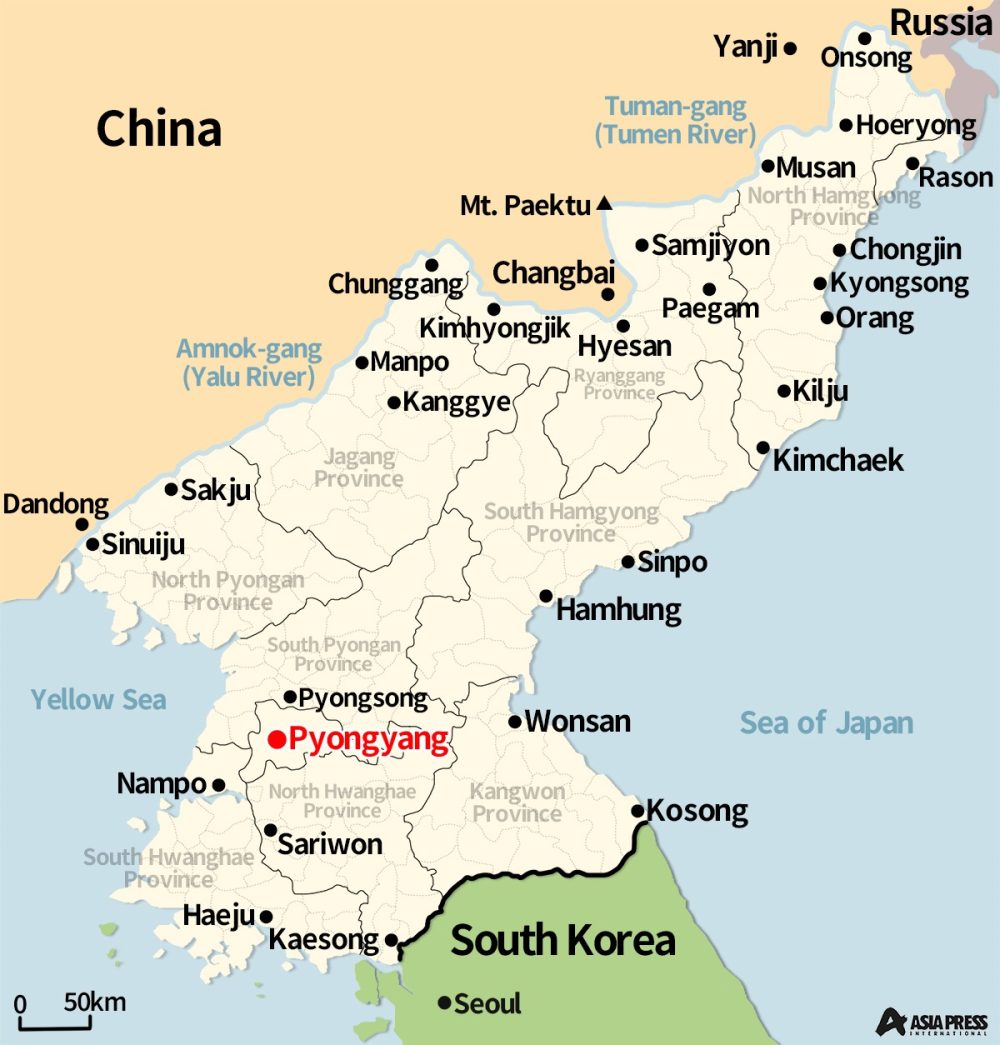
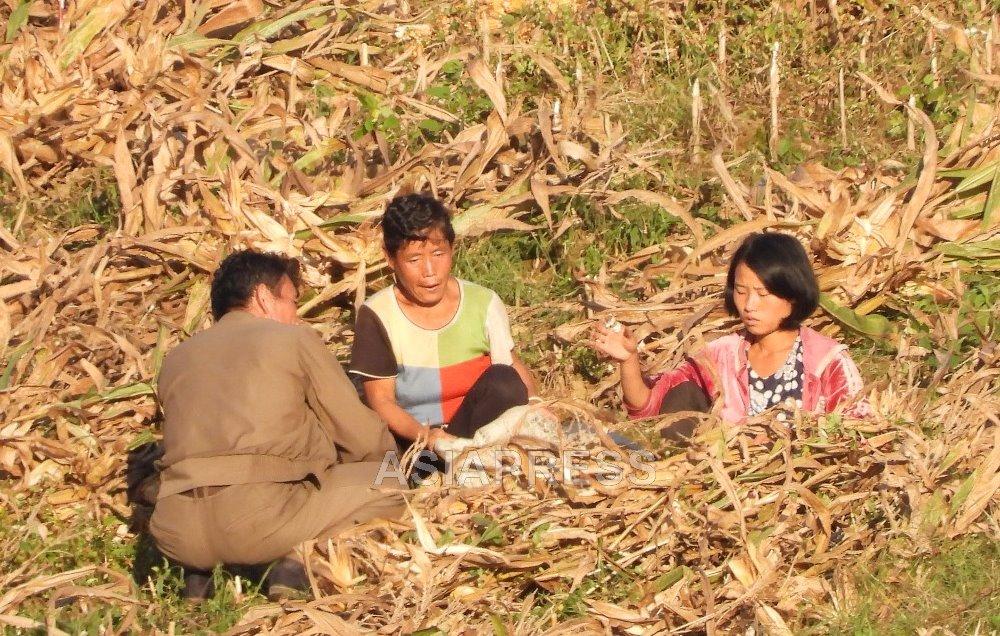
North Korea's agricultural policy underwent major changes starting in 2025. In the past, the principle was that the state would cover the costs of agricultural materials used by farms—fertilizer, seeds, agricultural machinery, fuel, etc.—and in return, the state would purchase all the food produced. However, this system was inefficient and didn't improve productivity, so farmers would hide their harvests and sell them in markets for profit. Food outflow from rural to urban areas that authorities couldn't track had become routine.
Since last year, farms have been responsible for their own agricultural materials, and in exchange, the state reduced procurement quotas and gave farms discretion to sell surplus grain to enterprises. This is for employee food rations. However, the quantity and price had to be approved by the Grain Administration Bureau (administrative agency). In this case, trading with the trade company without approval from the Grain Administration Bureau was classified as illegal black market trading.
From farm production to sales to residents = consumers, the Kim Jong-un regime is attempting to reclaim control over the distribution of staple foods like rice and corn from the market and establish a state monopoly. The goal is for the state to secure profits through food sales and strengthen control over residents by dominating their calorie supply.
※ASIAPRESS communicates with its reporting partners through Chinese cell phones smuggled into North Korea.