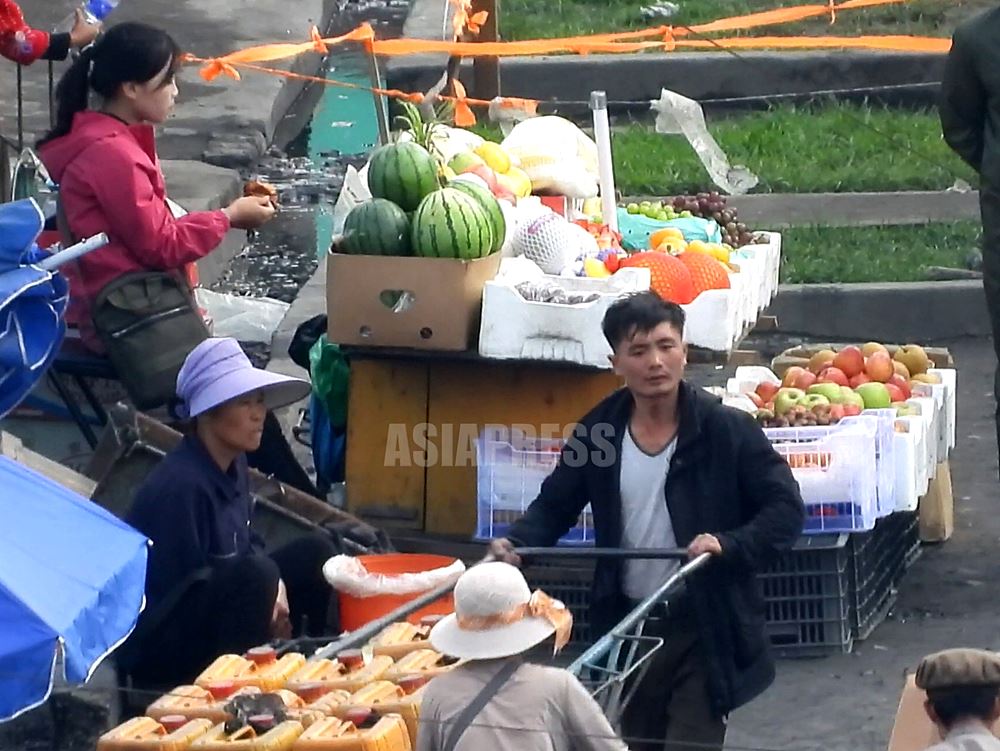
The Kim Jong-un regime has been tightening its grip on private economic activity, including commercial trade, since the COVID-19 pandemic. Starting in February, the crackdown has expanded to include individual clothing makers and sellers, with privately made and sold garments now prohibited, according to a reporting partner in North Hamgyong Province in the country's northern area who we spoke to in late January. (HONG Mari / KANG Jiwon)
◆ Fines and Confiscation of Equipment for Violators
A reporting partner in North Hamgyong Province described the authorities' new policy:
"There was an official notice that individual businesses making and selling clothes would be targeted in crackdowns. Skilled people who could work from a pattern — buying fabric and selling finished garments under names like 'Pyongsong Processed Ready-to-Wear,' which were popular for their quality and design — were doing well for themselves. Now they're being told to operate only under state management."
The Kim Jong-un regime has used the COVID-19 pandemic as an opportunity to strictly restrict private economic activity, including commercial trade. The relatively free markets of the past are gone. Even traders operating in jangmadang (public markets) are now required to register all product suppliers and selling prices with the ‘commercial management office’ (sangop'gwalliso) — the department of the people's committee, or local government, that oversees the distribution of consumer goods.
This latest report indicates that authorities have extended regulations to cover private clothing manufacturing, which had previously been tolerated. The reporting partner described the measures this way: "The state is trying by every means to prevent individuals from earning money. Those caught in crackdowns face fines or confiscation of their production equipment, such as sewing machines. The only thing still permitted is basic alterations."
◆ Military Uniform Tailors Face Especially Strict Controls
On the reasons behind the crackdown, the reporting partner said: "I heard that the central authorities received reports that trading companies were selling fabric imported through Rason from China to private individuals, who were then making and selling clothes for profit — disrupting the operations of state-run clothing factories." Rason is one of the main trade hubs between North Korea and China.
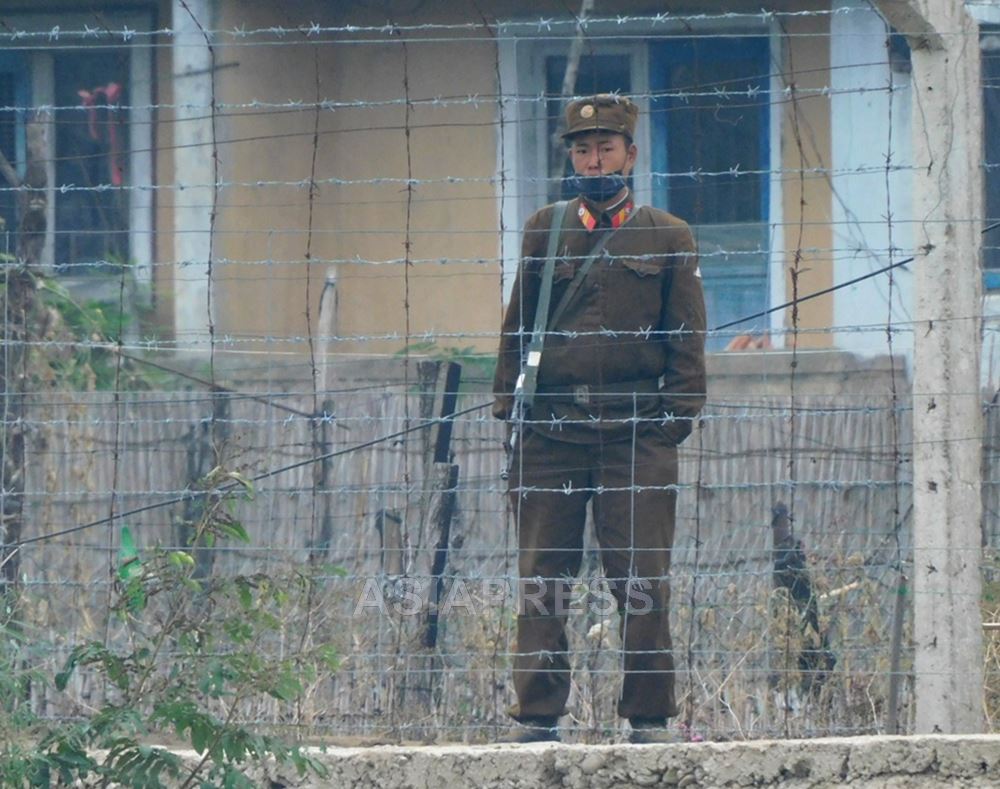
Military uniforms issued by the state in North Korea are of poor quality, and officials and others with money have often commissioned skilled private tailors to make their uniforms separately. Those tailors specializing in military uniforms are said to be facing particularly strict enforcement.
"The unauthorized use of different fabrics or specifications for military uniforms has become a problem, and those who specialize in custom uniform work are being specifically targeted."
![[Video Report] Back alley of Pyongyang: Never let foreigners go. Residents of central Pyongyang live on businesses in the market.](https://www.asiapress.org/rimjin-gang/wp-content/uploads/2018/07/Rimjingang_Asiapress_20111015_005-150x150.jpg)