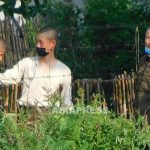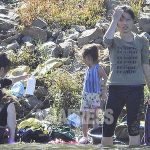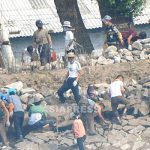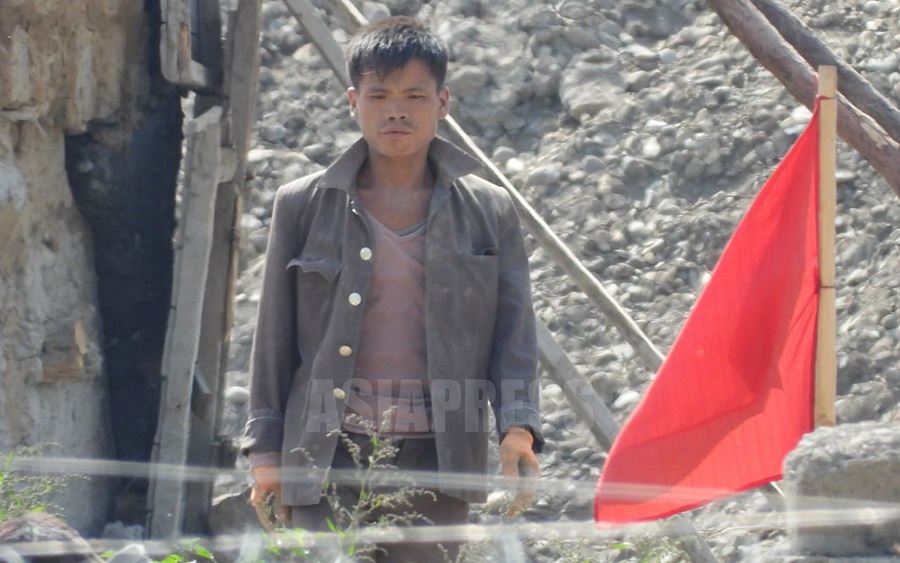
The Kim Jong-un regime is intensifying its crackdown on people with family members who have defected to South Korea, and is handing down severe punishments — including banishment to remote areas or coal mines — when contact with such family members is discovered. Receiving remittances from South Korea is now characterized as "behavior that corrodes the socialist spirit," and ordinary residents are being encouraged to inform on their neighbors, leading to a growing number of denunciations. A reporting partner in North Hamgyong Province filed this report in late April. (HONG Mari / KANG Ji-won)
◆ Family Receiving Remittances from Two Daughters Caught and Exiled to Coal Mine
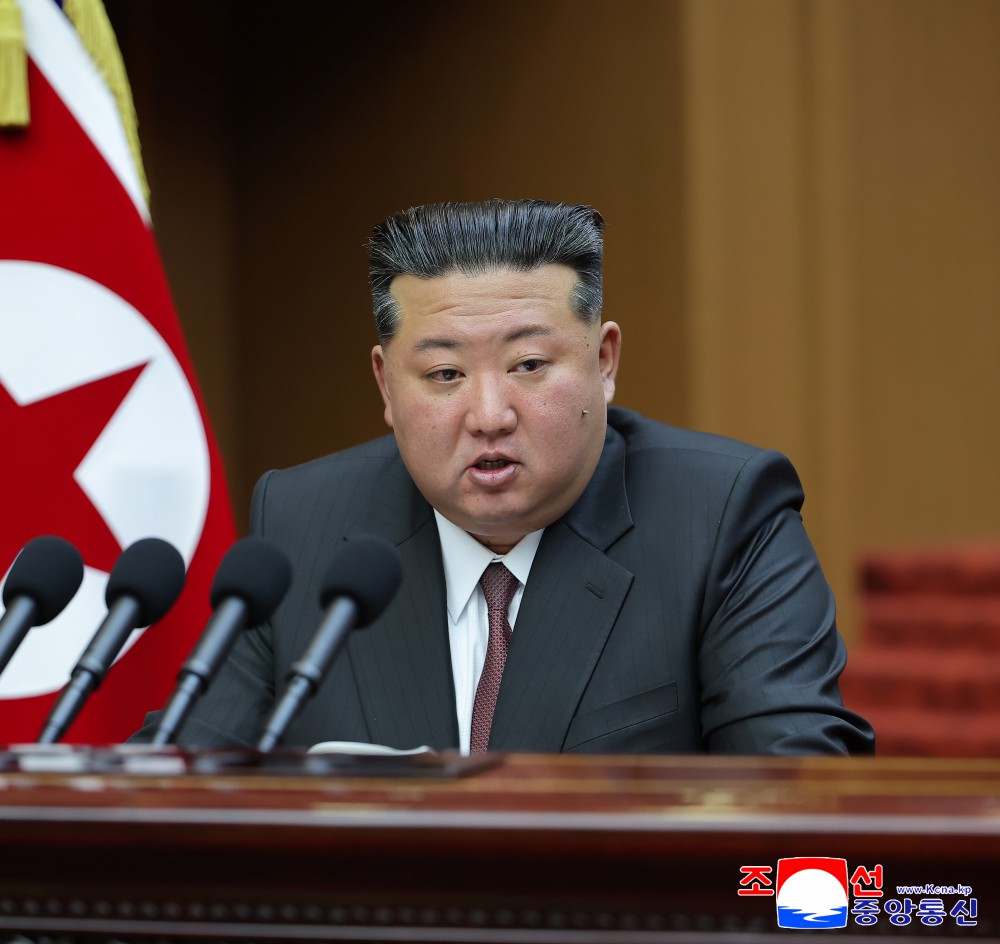
In late 2023, Kim Jong-un declared that "the Republic of Korea is an enemy — neither the same people nor a partner for reunification." Since then, controls on the flow of information, goods, and money to and from South Korea have been tightened even further. Then in March of this year, the concept of "North-South reunification" was removed entirely from the constitution at a session of the Supreme People's Assembly (the equivalent of a parliament), and punishments for those deemed to have "connections to the South" appear to have intensified around that time.
A reporting partner who works on a farm in a county in North Hamgyong Province relayed the following cases from people around them:
"I heard that a whole family was exiled to a coal mine. They'd been living well — the mother's two daughters had defected to South Korea and were sending money, and the family used it to buy a car and a motorcycle and even ran a food trading business.
The mother had been dealing in medicine and fuel, and had also been lending money at high interest to fund construction projects. She was reported for 'anti-socialist behavior,' investigated, and sent away as a warning to others. I've heard that exiled people will be arriving at my farm in May as well."
◆ Those Who Prospered on Remittances Now Cast Out as Exiles
The number of people defecting to South Korea peaked between 2006 and 2011, exceeding 2,000 per year. After settling in South Korea, many began sending money back to family still in North Korea through illegal underground banking networks linking China and North Korea. Recipients found themselves receiving amounts of foreign currency unimaginable by North Korean standards, and their changed circumstances made them objects of envy among ordinary residents.
That has now changed completely. Those with defector family members have become subject to strict surveillance, and anyone found to have received remittances from South Korea is reportedly subjected to harsh public criticism before being banished to a remote area or coal mine.