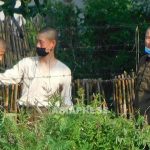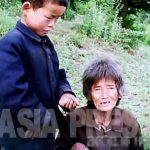
The North Korean government is actively courting Chinese tourists, with Mount Paektu — the volcanic peak straddling the North Korea–China border — at the center of its strategy. Samjiyon, in Ryanggang Province, serves as the gateway for summit tours and has been a pet project of Kim Jong-un for a decade. Five luxury hotels were completed there at the end of last year. But are Chinese tourists actually coming? What are the resort's real prospects? ASIAPRESS investigated conditions on the ground. (ISHIMARU Jiro / KANG Jiwon)
◆ Kim Jong-un Orders an International Resort Built in a Remote Mountain Village
Samjiyon is a cold, primeval forest town about 47 kilometers from Hyesan, the provincial capital of Ryanggang Province. Beyond potato farming and logging, there is virtually no industry to speak of.
In November 2016, Kim Jong-un ordered the construction of a "world-class international tourism special zone" there. Residents were mobilized en masse to build roads, housing, and hospitals in a crash construction campaign. The town opened in December 2019 and was elevated from county to city status — only for the COVID-19 pandemic to strike a month later, indefinitely delaying the hoped-for influx of Chinese tourists.
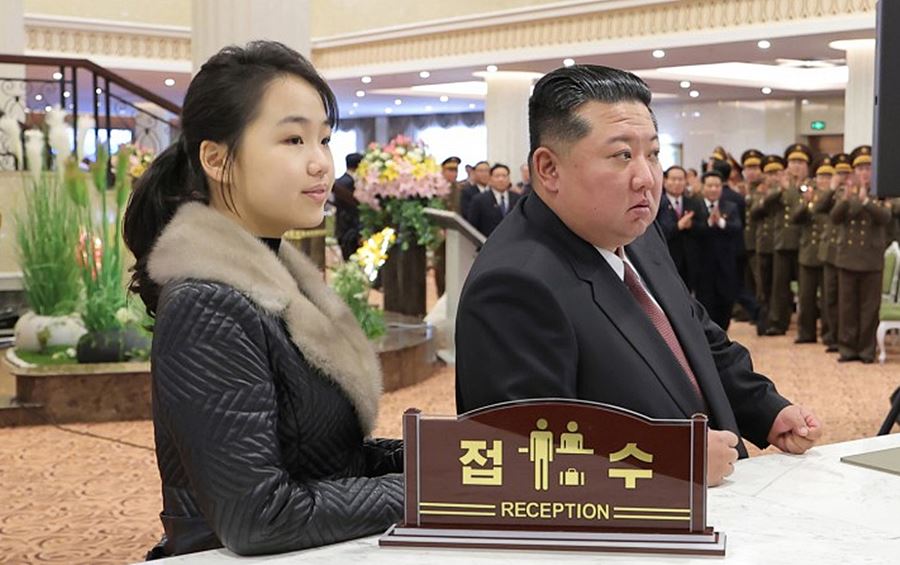
Kim Jong-un continued to order improvements nonetheless, and in December 2025, five new resort hotels were completed. State media gave extensive coverage to Kim's visit to the opening ceremony, daughter in tow.
◆ Staff Who Came Expecting Profits Are Leaving
A reporting partner living in Ryanggang Province investigated conditions in Samjiyon and reported back in late April.
— The hotels look impressive in photos. What's the actual situation?
I'm told the hotels were sealed off immediately after Kim Jong-un's on-site inspection last December, because no one visits in winter. After that, hotel specialists were dispatched from Pyongyang to train local staff and take on management roles in preparation for receiving foreign tourists. When they arrived from Pyongyang, they expected Chinese tourists to come flooding in — but guests remain almost nonexistent.
— So the people who came from Pyongyang have nothing to do?
The accommodations and food are poor, and those with connections have gone back to Pyongyang. Children of well-connected officials also came from Pyongyang and other regions, believing the Party's word that tourists would pour in and that there was money to be made. Workers for a Chinese restaurant came too. But Samjiyon really is deep in the mountains. Some have given up and left because no tourists come at all.
◆ Fewer Than 20 Tourists
— How many tourists are actually coming right now?
Other than the families of soldiers or local meritorious workers, I'm told there are fewer than 20 tourists. Higher-ups have said numbers will grow starting in May, when Mount Paektu tourism season begins — but attracting Chinese visitors purely for leisure, rather than business, won't be easy.
— Enormous investment went into developing Samjiyon. Recouping it seems unlikely — maintenance alone must be costly.
Samjiyon's conditions were poor to begin with. There's really nothing there but potatoes. Supplies have to be trucked in from Hyesan, which means fuel costs and overall expenses high.
The operation and management of the hotels are the responsibility of Samjiyon City and the Tourism Management Bureau, but neither has funds. The state has authorized the Tourism Management Bureau to earn foreign currency independently, so they're reportedly looking for ways to raise money through China. They're openly conducting state-sanctioned smuggling through the Cabinet's Ministry of External Economic Affairs and taking on processing and manufacturing contracts from Chinese firms. There are also three subsidiary companies operating in Hyesan to earn foreign currency.