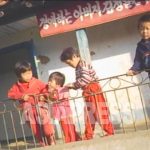
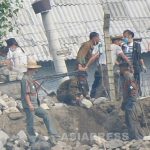
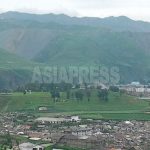
◆ Farm Workers Pleading: "I Didn't Eat Breakfast — Please Let Me Rest"
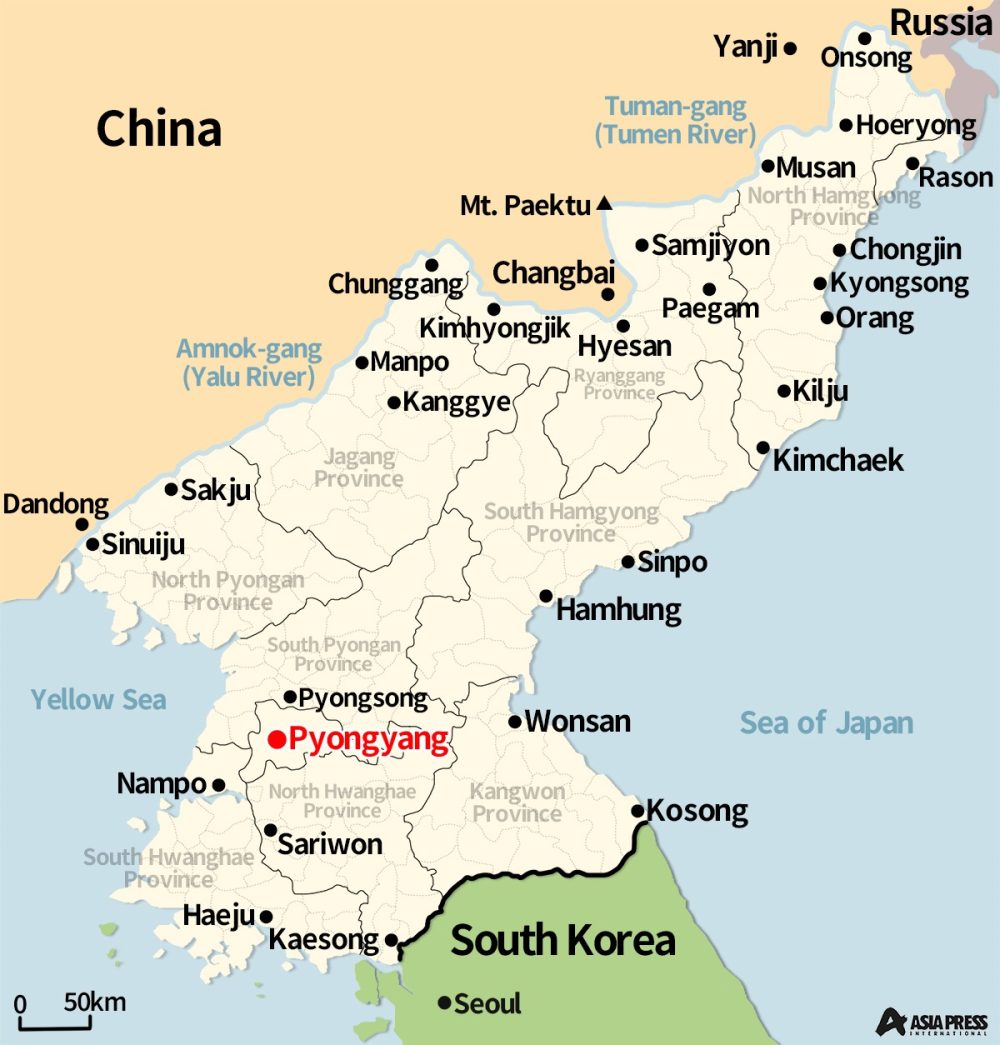
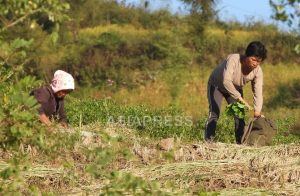
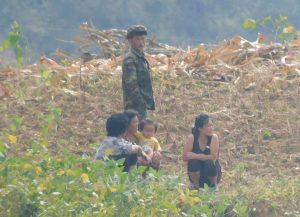
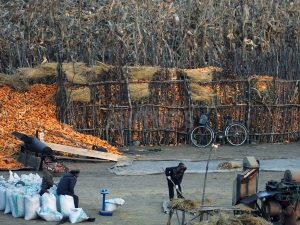
While urban residents are struggling with insufficient cash income, hunger is also spreading among the vulnerable in the rural areas that actually produce food. Reporting Partner B, a farm worker in North Hamgyong Province, described the situation:
"In late March, two malnourished people were found collapsed in the street. The security service [police] took them to a hospital, but I don't know what happened to them. At our farm, there are workers asking to be let off because they haven't eaten breakfast. The authorities ordered each household to contribute 500 grams of corn to support families in need, but half the households couldn't provide it.
At one farm worker's home, a relative showed up asking for help. When it became clear there was nothing to give but the relative still refused to leave, a fight broke out, someone's head was bleeding, they lost consciousness — it was chaos.
We have to hold out until the wheat and barley harvest in June, and this is what things are like even in the farming areas. I've heard it's even worse in the county towns. Food prices keep rising, and I'm worried about what's going to happen this year."
◆ Government Shifts the Burden onto Enterprises and Officials
It would not be an exaggeration to call this a humanitarian crisis. So how is the government responding to the population's hardship? According to Reporting Partner B, one coal mine has permitted destitute households to collect coal for home use.
"Once they allowed coal collecting, so many people showed up that it was stopped after just one day. Now they're letting groups of five to seven people from destitute households dig coal out of the tunnels to sell, splitting the proceeds fifty-fifty with the mine."
The authorities' approach appears to be a combination of calling for self-reliance and passing the responsibility for crisis response onto enterprises and farms.
"This year, responsibility is being placed on enterprises, farms, and provincial, city, and county-level units. In regions that are unsuitable for growing grains, shortages in distribution and sales have created a serious situation. Households with no able-bodied workers are looked after by the neighborhood office, but complaints are emerging from people who are working at their jobs but still not receiving their rations." (Reporting Partner B)
Reporting Partner A in Hyesan added: "Even enterprises can't come up with solutions, so they're granting ten days of sick leave and telling workers to go to the mountains and figure it out themselves."
The boritgoge — harsh for farmers and city dwellers alike — has at least another month left to run.
※ ASIAPRESS communicates with its reporting partners through Chinese cell phones smuggled into North Korea.