◆Mobilization, Side Work, Inflation… Women’s Triple Burden
Let’s consider how much money this is. An ordinary state enterprise worker’s wage (monthly pay) is 35,000–50,000 won. In other words, skipping just one day of construction mobilization for a state-led project costs more than half a month’s wages.
Because it is impossible to live on wages alone, women who are full-time housewives depend on side work making wigs and ornaments, known as “processing-for-hire.” This is processing work commissioned by Chinese manufacturers. According to a survey ASIAPRESS conducted in May and June, working nonstop day and night brings in an income of 100,000–150,000 won a month.
And the hardship doesn’t end there. Prices of the staple foods white rice and corn continue to inflate. According to ASIAPRESS’s latest survey, white rice costs 54,000 won per kilogram and corn costs 14,500 won per kilogram (as of October 23, 2026). If a household’s monthly income were 200,000 won, it could buy only about 14 kilograms of corn. White rice is out of reach.
※ Besides the husband’s wages and the wife’s processing-for-hire work, there are other sources of income, such as gathering medicinal herbs and wild greens or cutting firewood in the mountains to sell, and selling chickens and pigs raised at home. ASIAPRESS is currently investigating the details of household income structures.
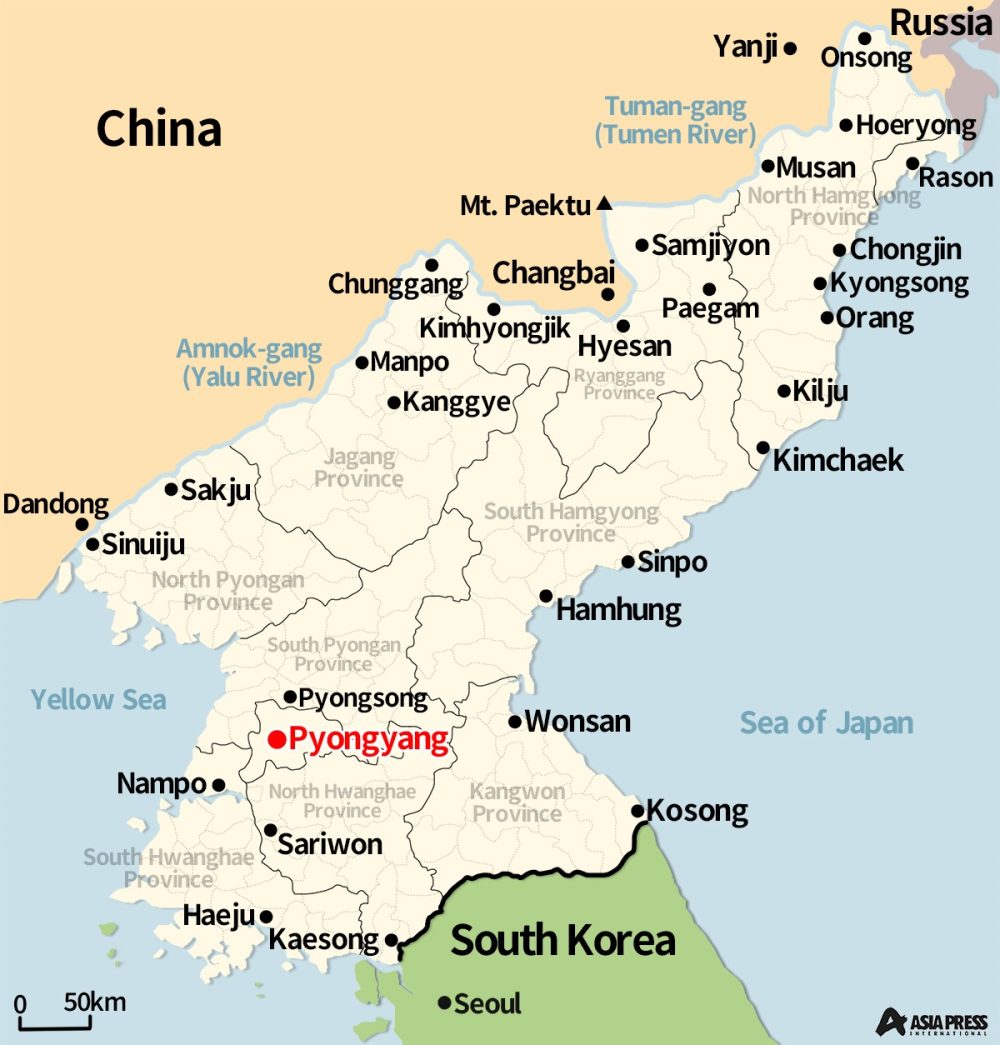
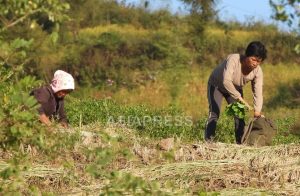
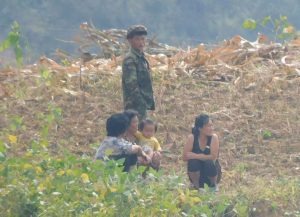
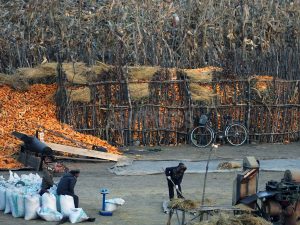
For nearly 30 years, North Korean women escaped state control, threw themselves into trading, and played the central role in the market economy. Now, however, they are mobilized for unpaid labor more than half of every month and spend the remaining time on “processing-for-hire” side work just to make a living. On top of that, many women also shoulder childcare and housework. A women’s organization that torments women: that is the reality of the Women’s Union.
※ASIAPRESS communicates with its reporting partners through Chinese cell phones smuggled into North Korea.