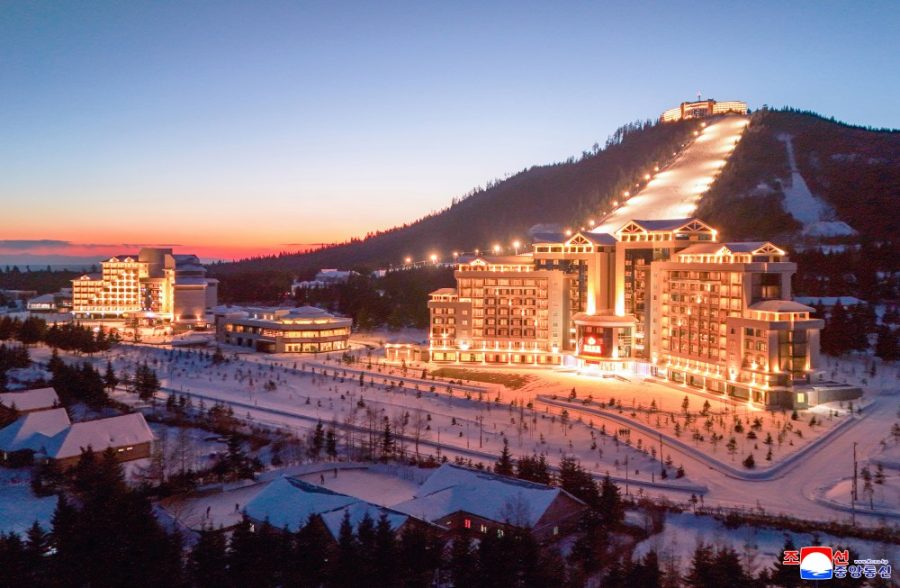
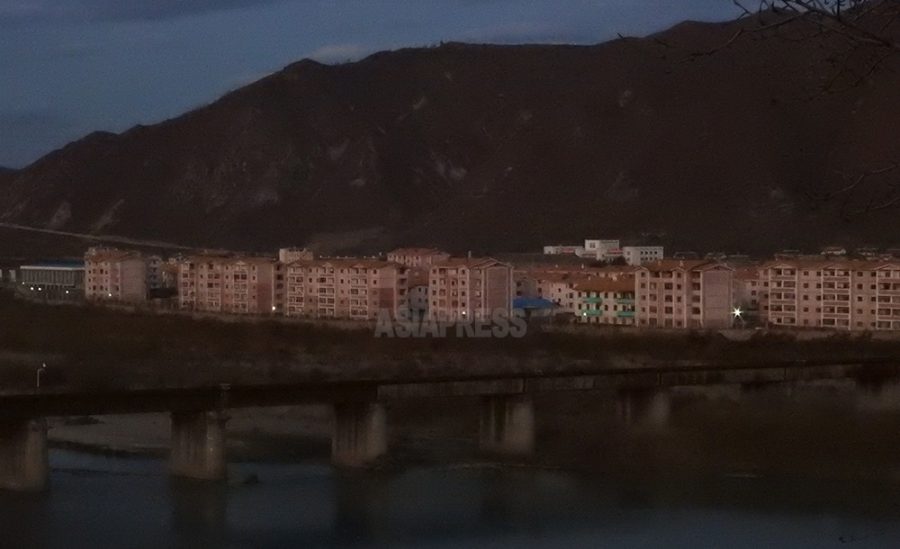
The center of Pyongyang and the large resorts shown in North Korean state media glow brightly even at night. In the provinces, however, electricity is supplied for an average of only two to three hours a day, ASIAPRESS has found. In wealthy households, large appliances are reportedly used as storage cabinets. The following accounts come from reporting partners living in Ryanggang Province and North Hamgyong Province. (HONG Mari / KANG Ji-won)
◆Latest power situation: “Two or three hours a day”
North Korean state media, including Korean Central Television and the Rodong Sinmun, regularly show images of “developing provinces.” The beach and ski resorts developed under Kim Jong-un’s direction are the main symbols of this progress. They often appear in photos and footage at night, surrounded by glittering lights.
So what is the electricity situation actually like in the provinces these days?
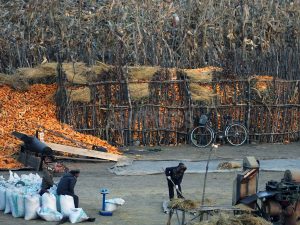
Reporting Partner A, who lives on the outskirts of a city in North Hamgyong Province, said, “Right now it’s the autumn harvest and threshing season, so on some days rural areas get electricity for about seven hours for the farm work. But that’s the ‘industrial line,’ which is only used on the farms. The ‘residential line,’ which farmers can use at home, gets about three hours a day. On a good day, it’s maybe four or five hours.”
North Korea has two kinds of power lines. The “industrial line” is a dedicated line that supplies Party and administrative organs and industrial facilities. The “residential line” supplies ordinary households. Because the industrial line takes priority, people are always left to put up with the inconvenience.
A said rural homes get about three hours of electricity a day on average. Across the northern region, ordinary people can likewise use electricity for only about two to three hours a day. These accounts have barely changed in roughly 10 years, and there is still no sign of improvement. In provincial urban areas, households that pay 25,000–30,000 won (0.38–0.45 USD) per month can get about six additional hours of electricity.
※ Monthly wages at North Korean state enterprises are approximately 35,000–50,000 won.
※ 10,000 North Korean won is 0.15 USD (as of October 16, 2026).
◆What appliances do ordinary people own?
In effect, power outages of more than 20 hours a day have become part of daily life. So what appliances do ordinary households actually have, and how do they use them?
ASIAPRESS conducted a large-scale price survey in the northern region in May and June this year. The survey also covered the appliances owned by ordinary urbanites. It found that televisions and irons are fairly common even in ordinary households. Refrigerators and air conditioners, however, are owned only by the wealthy, and washing machines by an even smaller group of households.
Reporting Partner B in Ryanggang Province said they have a television, a small refrigerator, a DVD player, an electric fan, and a computer at home. B bought them with money earned from successful trading in the jangmadang (markets) before 2020, when private economic activity was flourishing. B is relatively well off by the standards of ordinary people.
A described appliance ownership in rural areas of the north this way:
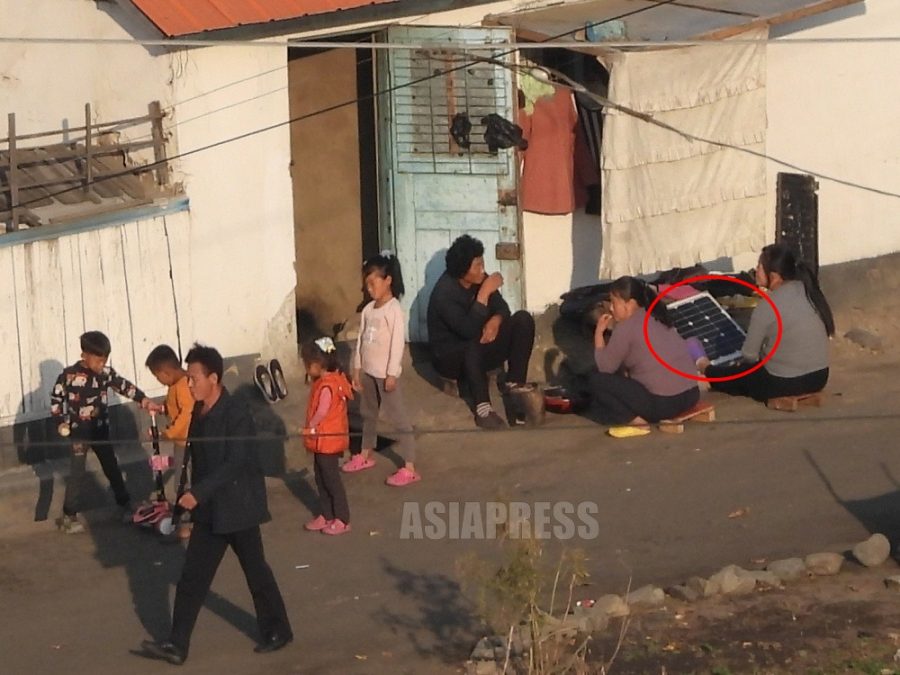
“Most people have a TV, a voltage transformer, a ‘recorder’ (DVD player), and a ‘tape recorder’ (CD player). Better-off families also have computers, but it’s common for families who are struggling to have no appliances at all. Small TVs that can run on solar power are popular. Almost everyone has an electric rice cooker, but there’s no electricity, so they hardly ever get used.”
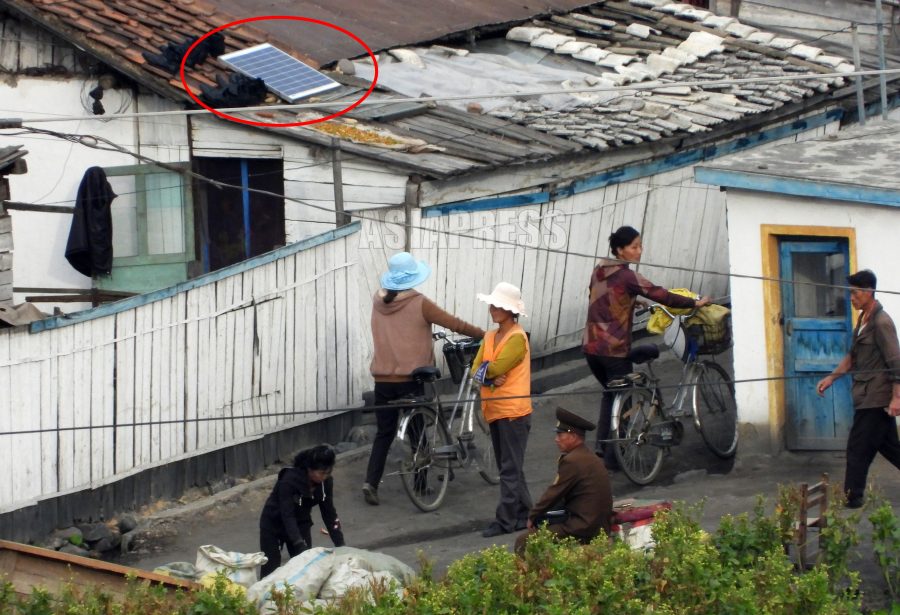
※ A great many households cope with the power shortage by buying inexpensive Chinese-made solar panels.