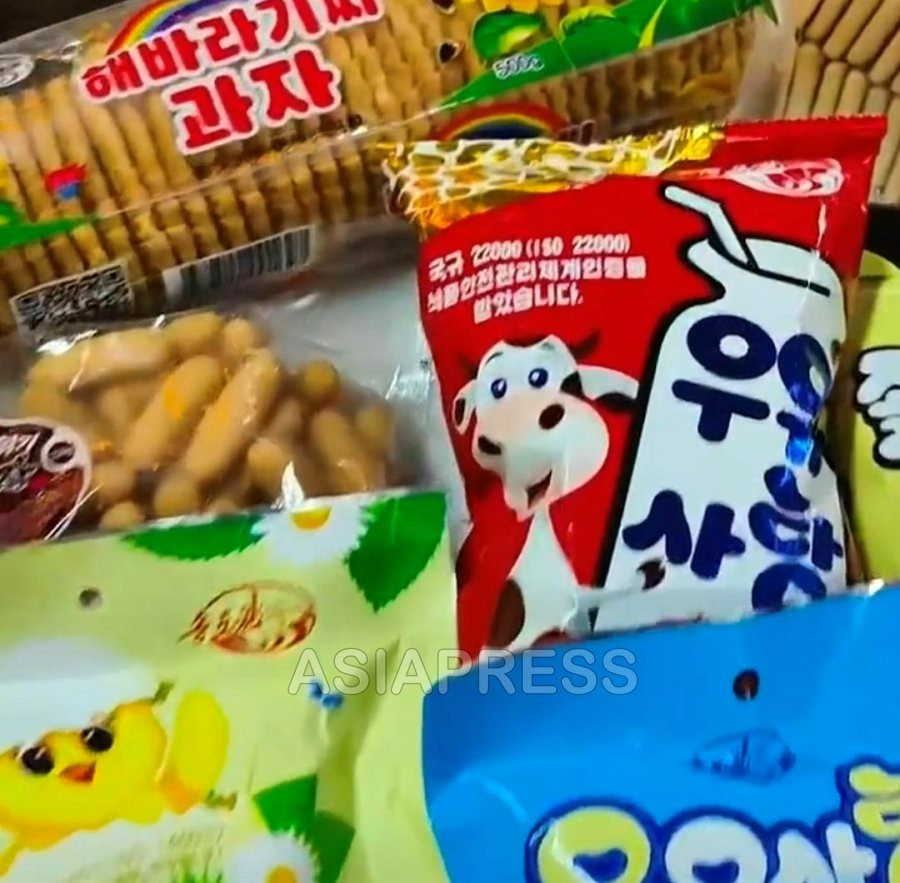
North Korean authorities have blocked imports of Chinese food products, ASIAPRESS has learned. Customs clearance is no longer possible in various parts of the country, and authorities are also cracking down on sales, according to several reporting partners in northern North Korea who spoke to ASIAPRESS in mid-September. (ISHIMARU Jiro / KANG Ji-won)
◆Chinese food once flooded the markets
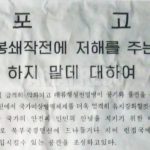
A reporting partner in Musan County, North Hamgyong Province, said, "On August 10, a government order was sent to all customs offices, and imports of Chinese-made food stopped. Recently, the authorities started cracking down on sales at state-run stores and markets (even of goods that had already been imported). Now you can't buy Chinese food anymore."
When asked about the measure, a reporting partner in Ryanggang Province replied, "It's true that imports of Chinese foodstuffs are being blocked at Hyesan Customs, too."
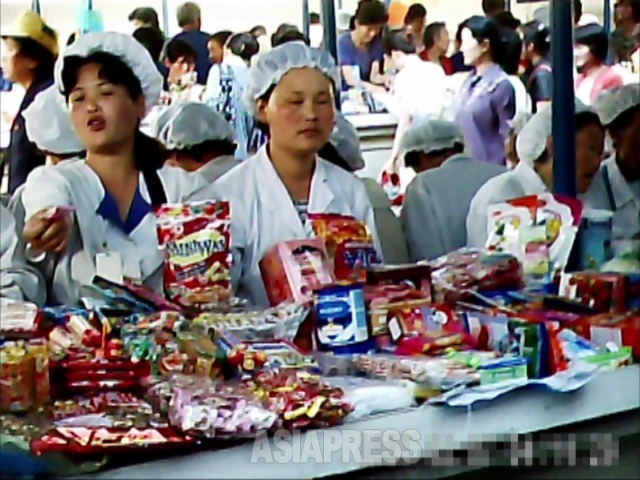
Before the COVID-19 pandemic, Chinese food products (snacks, liquor, beer, soft drinks, bread, cooking oil, MSG, fruit and more) dominated market stalls across North Korea. Since around 2017, the Kim Jong-un regime has pursued policies that encourage and favor domestic production. When the pandemic broke out in 2020, it used that as an opportunity to sharply restrict imports of Chinese goods across the board, saying it needed to keep the virus out of the country. According to the reporting partners, Chinese food products are no longer traded in the volumes they once were, so the import ban is unlikely to have a major impact.
◆Domestic products are "half-Chinese"
Why is the Kim Jong-un regime blocking imports of Chinese food now? The reporting partner in Musan County offered this explanation:
"The government says it's because Chinese food has a lot of hygiene problems, but the real intent is probably to push out Chinese products so it can promote domestic production even further. Chinese products are good quality and have long shelf lives, so they can be stored and distributed for a long time. But the domestic snacks in state-run stores get moldy and become inedible after just a week. The preservatives are poor, so they don't keep for long.
A lot of food passes its expiration date and gets thrown away before it even makes it from the factory to the point of sale. The state tells people to buy domestic products, but they're not good quality and they aren't especially cheap, either. Lots of people preferred Chinese products."