In the fifth installment of this series, we reported on the reality of the domesticization of industrial products being promoted by the Kim Jong-un regime. But are the factories themselves actually operating properly? Provincial factories have seen their management authority significantly expanded under the "enterprise responsibility management system," yet they struggle with sluggish sales and are turning to manufacturing non-standard products or dispatching workers in search of alternative revenue streams. The following account comes from multiple reporting partners residing in Ryanggang Province who were interviewed during the large-scale price survey conducted in May and June. (HONG Mari / KANG Ji-won)
◆Two Types of State Enterprises
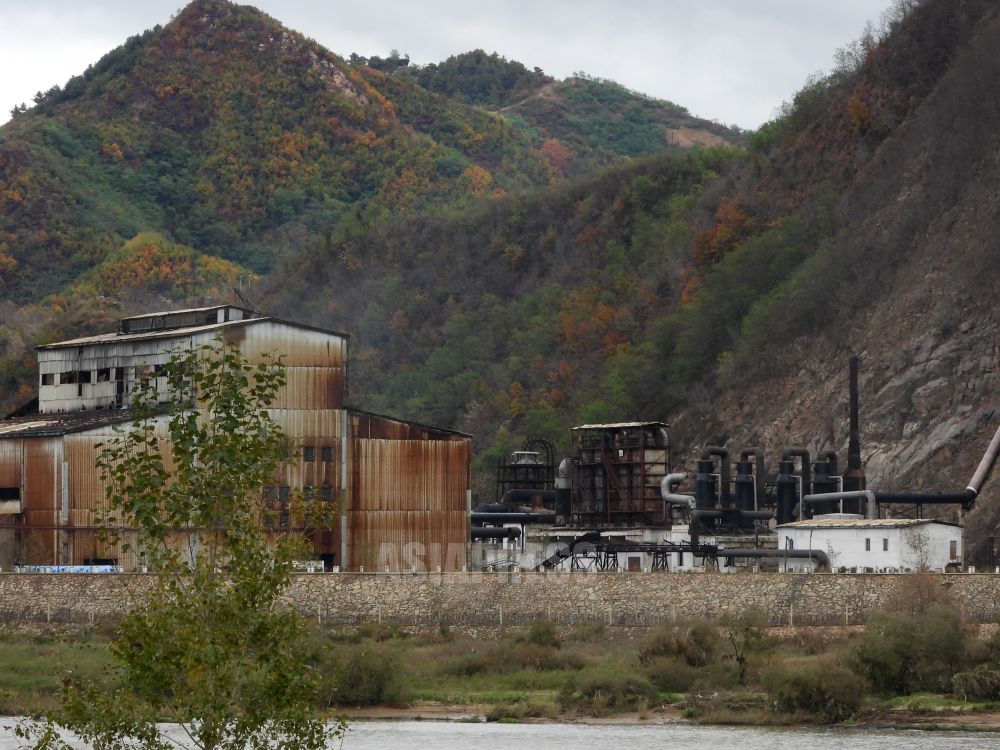
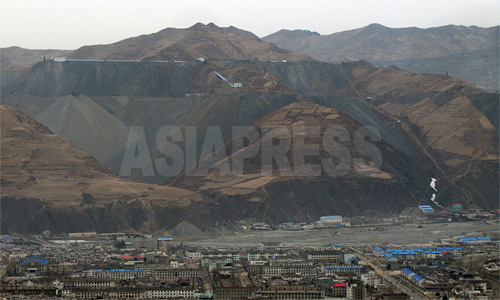
Let us begin with a definition of terms. Currently, state enterprises fall into two broad categories. One type consists of enterprises or factories that operate according to state production targets set by the government. These are generally referred to as "state factories" within North Korea. They operate under the same socialist planned-economy model as before, and examples include large-scale mining operations and coal mines, such as the iron mines of Musan, as well as iron works and cement factories. In Ryanggang Province, the Hyesan Iron Mine corresponds to this category.
The other type consists of enterprises under provincial (do) jurisdiction, generally referred to as "provincial factories." Many such enterprises are responsible for producing goods consumed within the province. These are enterprises or factories that have been granted a certain degree of autonomous management discretion.
This system was introduced under the Kim Jong-un regime. While retaining the obligation to produce according to state targets, enterprises are permitted to independently purchase raw materials, conduct production, and engage in autonomous management—forming contracts with other enterprises and farms for sales. Examples include shoe factories and food processing factories found throughout each province.
Although both are state enterprises, in this article we will distinguish between them as "centrally-managed enterprises (factories)" and "provincially-managed enterprises (factories)." According to multiple reporting partners, a significant gap has emerged in production conditions and wage levels between these two types of factories.
◆Major Impact from Export Ban: "Unable to Pay Wages to Half Our Workers"
Let us first examine centrally-managed enterprises. The backbone of North Korea-China trade has long been mineral resources such as coal and iron ore. However, in 2017, following the regime's nuclear test and missile launches, the UN Security Council strengthened economic sanctions and imposed an outright ban on most mineral exports. Many large centrally-managed mining operations and factories fell into severe management difficulties.
A reporting partner in Ryanggang Province explained: "Both the Hyesan Steel Works and Hyesan Iron Mine depend on exports, so their situation is similar. Because of sanctions, we cannot legally trade with China, and Russia, which has abundant mineral resources of its own, does not import from us, it is said. We smuggle small quantities to China, but we still cannot pay wages to half our workers. The government says it will import equipment and materials to enable worldwide trade, but we continue to wait for when trade with China will resume."
※ Since Chinese President Xi Jinping's visit to North Korea in June, reports indicate that minerals have begun being formally exported through customs. This matter will be covered in a separate article.