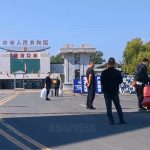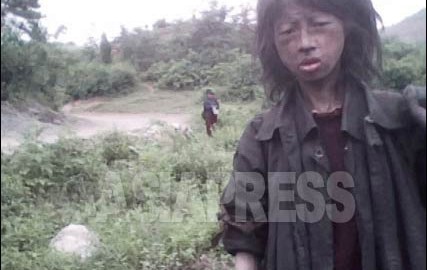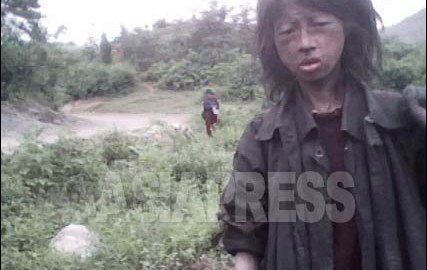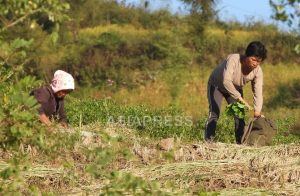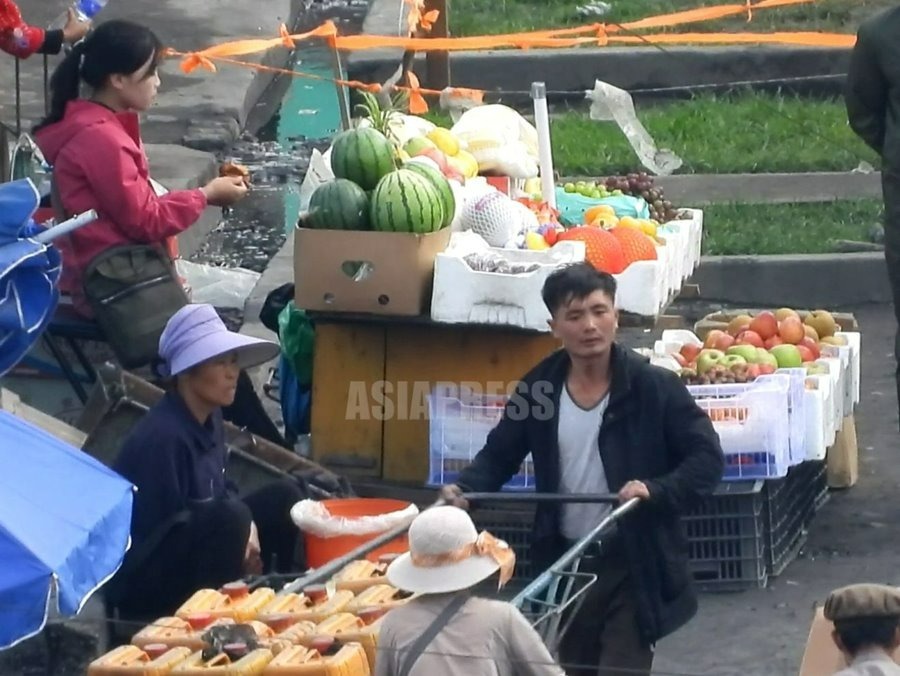
Since 2000, many North Koreans have gradually escaped hunger and raised their standard of living, largely because loosened state controls allowed private economic activity, including trading, to flourish. Markets (jangmadang) played the central role in this shift. But with the onset of the COVID-19 pandemic in 2020, the Kim Jong-un regime moved to forcefully suppress markets and private economic activity, pushing measures to concentrate the distribution of everyday consumer goods in state-run stores. This second installment in the series reports on the current state of markets, which are shrinking as authorities tighten management and control. (Ishimaru Jiro)
◆Regulations Make It Harder for Merchants to Stock Goods
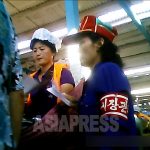
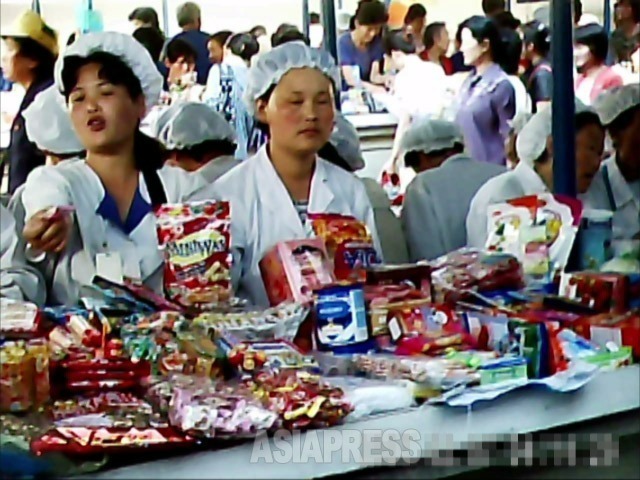
Markets were once the hub of food and consumer goods distribution. Merchants were not hired clerks but independent operators running stalls roughly 80 centimeters wide. They paid a stall fee (market tax) to the market management office and set their own prices, calculating a profit margin on goods they purchased at their own risk and expense.
Consumer goods flowing in from China dominated the markets. Trading companies imported the goods and sold them wholesale nationwide for enormous profits, and merchants were free to buy stock as they pleased.
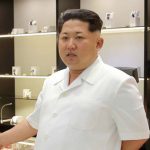
When the COVID-19 pandemic began in 2020 and imports of Chinese goods stopped, merchants took a heavy hit. On top of this, the Kim Jong-un regime poured effort into rebuilding state-run stores and pursued policies aimed at having the state reclaim the distribution leadership that markets had held. As a result, the markets' slump became structural, and they have continued to shrink.
Even after the COVID-19 crisis subsided and North Korea–China trade recovered, authorities kept restrictions on imports of Chinese consumer goods in place. Domestically produced goods, too, are no longer allowed to be sold wholesale directly to markets by the factories that make them. Domestic products made at factories are now required to be supplied to state-run stores first. Market merchants have been left with no choice but to receive their wholesale supply from state-run stores, which also set the prices. The room for free purchasing has shrunk dramatically.
In addition, as discussed further below, the sale of rice, corn, and other food grains in markets was banned starting around January 2023, with sales shifted to the state-run food monopoly outlets known as "grain sales offices" (ryanggok panmaeso).
◆Merchants Now Source Their Stock Mainly From State-Run Stores
Let's look at the current state of market operations in concrete terms. The following is compiled from reports sent in through mid-June by six reporting partners living in four cities across Ryanggang Province and North Hamgyong Province.
"Individuals can't handle wholesale or retail sales of products from state-run factories or imports. The only exception is when an official from a related agency, enterprise, or trading company has reported through which channel the goods will be sold. This is meant to prevent individuals from freely lowering prices in ways that would disrupt the state distribution network."
"In the markets, the range of items that can be sold has been sharply narrowed, and merchants can only sell goods that have been registered with the market management office under the commercial management office, listing the place of production. Product registration is tracked using barcodes."
In other words, goods whose place of production and supply source are unclear can no longer be handled in the markets.
"Merchants pay the market management office a market tax, an electronic payment fee, and other maintenance charges. Customer payments are increasingly made via QR-code transfer rather than cash. The old practice of individuals handing cash directly to market management staff to pay their fees has disappeared."
The Kim Jong-un regime is aggressively pushing a shift to a "cashless" system, and electronic payment became mandatory at state-run stores starting this past March. This trend is spreading rapidly into the markets as well. However, because power supply conditions in provincial cities remain poor, payment terminals often can't be used due to blackouts, and transactions frequently have to revert to cash, according to reports.
For reference, the market tax at the Hyesan market in Ryanggang Province was roughly 1,200 won a day as of early June, with slight variation depending on the type of goods sold. For sales outlets that manufacturing enterprises operate directly inside the market, the rate was 1,500 to 2,000 won a day. (1,000 won is worth roughly 22 South Korean won.)