Park Young-suk, a North Korean defector originally from Hiroshima, passed away in Seoul on August 3. Park went to North Korea in December 1962 as part of the "repatriation project" for ethnic Koreans in Japan. Two of her brothers and two of her sons were taken away for political reasons and died. In 1997 she defected with her daughter and grandson and entered South Korea. She spoke publicly about the harsh experiences she endured in North Korea and about the atomic bomb damage her family suffered in Hiroshima. She was 85.(ISHIMIARU Jiro)
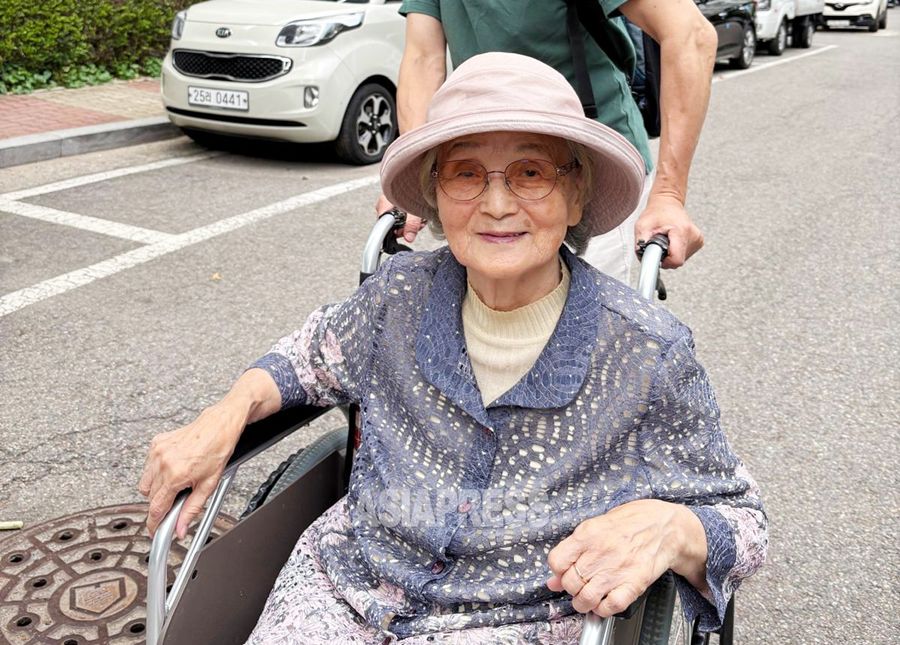
◆ Returned to be at her father's deathbed, but arrived too late
Born to parents who had come to Japan from South Gyeongsang Province, Park was born in Hiroshima in December 1940, the eighth of ten siblings. While evacuated to Azaka in Yamagata County, Hiroshima Prefecture, she witnessed the mushroom cloud of the atomic bomb. Her family's home in Hirose Kitamachi was destroyed, and her eldest brother's wife, who was pregnant at the time, was killed in the blast. Her fourth-oldest brother, who later went to North Korea, suffered for many years from the after-effects of radiation exposure.
In 1960, her parents and seven siblings repatriated to North Korea, but Park herself, wary of the lack of freedom under socialism, refused to go. In her youth in Hiroshima, she enjoyed classical music, theater, and film.
Park went to North Korea at the age of 22. After receiving a letter saying her father was gravely ill, she rushed to North Korea alone in December 1962, hoping to be at her parents' side at the end, but by the time she arrived in Chongjin her father had already died 19 days earlier. The brother who came to meet her in Chongjin reportedly scolded her, saying, "Why did you come? I wrote in the letter telling you not to."
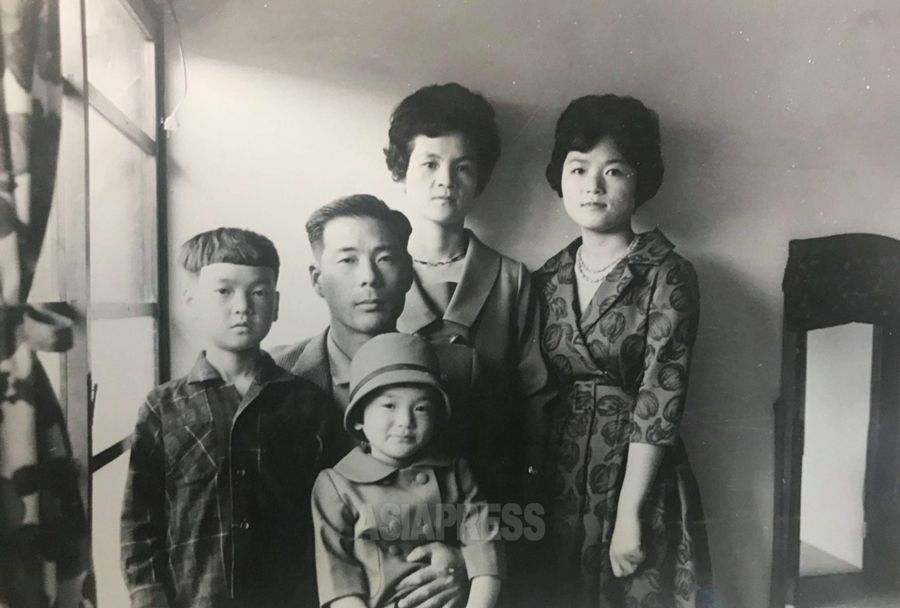
◆ Two brothers and two sons taken away and killed, one after another
She was assigned to live with her family in Sinuiju, in North Pyongan Province, at the northwestern edge of North Korea. She married a man who had also repatriated from Kanagawa Prefecture, and had two sons and a daughter.
Tragedy struck in the 1970s. Her second-oldest brother was taken away by the Ministry of State Security (secret police) and died; the charges against him were never disclosed. Her third-oldest brother, who voiced discontent over this, was also taken away and died in prison. Then, in the 1980s her eldest son, and in the 1990s her second son, were taken away and died. She said the bodies of her brothers and sons were never returned to the family, even for burial. Despairing of any future in North Korea, in 1997 she crossed the Yalu River into China and successfully made her way to South Korea.
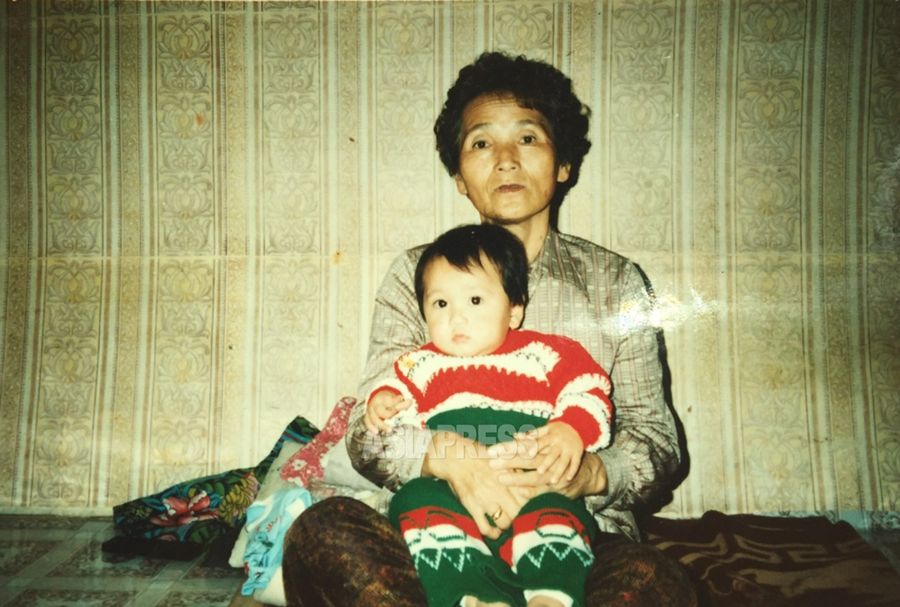
◆ A rare moment when the gentle Park showed emotion
Park always smiled, and her manner and bearing were extremely gentle. This writer conducted four long interviews with her starting in 2018, and even when speaking of the painful experience of losing four family members — taken away and killed — she never openly showed sadness or anger. She spoke slowly and calmly, as though taking the facts out one by one from a box of memories.
In late June, I visited her home in Seoul with a copy of Testimony: North Korean Repatriates (Shueisha), which included her story. Delighted that the book was finished, Park began reading her own profile page. When she reached the line "Two brothers and two sons were taken away and died," she broke down in tears and said, for the first time showing emotion, "We hadn't done anything wrong..."
◆ A life buffeted by history and politics
Looking back over my interview notes on the late Park's story, I find myself thinking once again of the many injustices that befell this family of ethnic Koreans from Japan. The atomic bomb damage the family suffered in Hiroshima, and the siblings' earnest hope of receiving the higher education in North Korea that had been largely out of reach for them in Japan, led to their repatriation. The family was then scattered across Japan, South Korea, and North Korea. And on top of that came the political killings the family suffered in North Korea.
Park herself bore countless burdens that were entirely beyond her control — a life buffeted by politics and by the times. May she rest in peace.
■What happened to the 93,000 Zainichi Koreans who returned to North Korea?