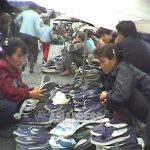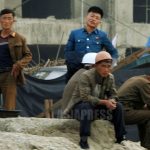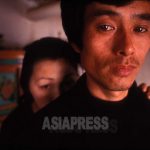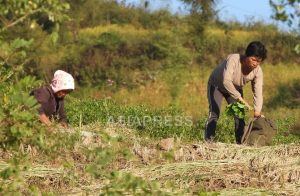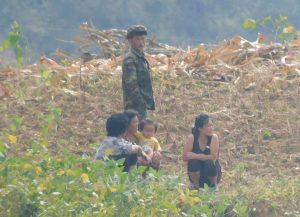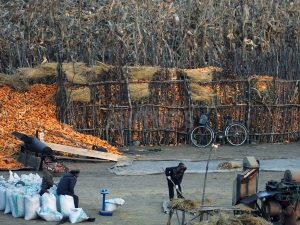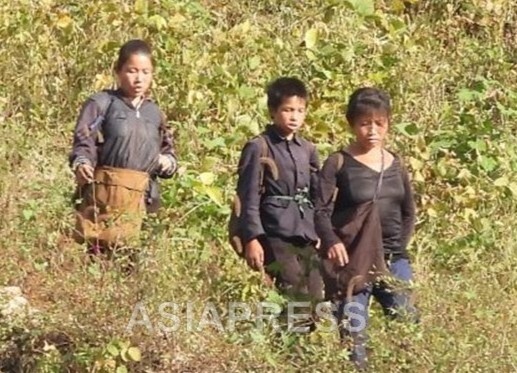
As North Korea's spring hunger season — known as the boritgoge, or "barley hump" — gets underway, growing numbers of people, particularly among the most vulnerable, are going without food. In Hyesan, Ryanggang Province, a mother and daughter died after eating wild greens they had gathered to fill their stomachs. In a rural area of North Hamgyong Province, people were found collapsed in the street from malnutrition, causing a local commotion. Authorities, for their part, appear to be leaving most of the response to enterprises and farms. Reporting partners in both regions filed these reports through mid-April. (HONG Mari / KANG Ji-won)
◆ Poisoned by Wild Greens Eaten Out of Desperation — The Hardest Season Begins
In North Korea, the number of households going hungry increases every year starting in late March. Food harvested the previous autumn has been consumed, supply shrinks, prices rise, and even farmers have eaten through their own reserves. This period of spring scarcity, called the boritgoge, leaves countless people struggling with hunger until the potato and barley harvest around June and the corn harvest in August and September.
Reporting Partner A, based in Hyesan, described a heartbreaking incident that occurred in late March:
"On March 23rd, a mother and daughter died. They had bought wild greens at the market late at night, when the price drops, to make a meal of greens and grain in the morning. They got stomach pains and went to the hospital, but died there. In Hyegang-dong, an elderly person also bought and ate wild greens being sold at the market and died from vomiting and diarrhea."
In both cases, it appears that poisonous plants had been mixed in with the wild greens. Reporting Partner A continued:
"Poor people have nothing to eat except boiled corn flour and wild greens. Wild greens are cheap — 1,000 won per kilogram — so everyone is filling up on those."

◆ Inflation of 100–150% Since the Start of the Year
North Korea has been experiencing severe inflation. According to price surveys conducted by ASIAPRESS, as of May 1st, one kilogram of white rice costs 34,000 won (0.44 USD), and one kilogram of corn costs 9,000 won (0.12 USD). Compared to the beginning of the year, white rice has risen by 106% and corn by 150%. Meanwhile, the monthly wages of ordinary workers amount to only around 35,000–50,000 won (0.46-0.65 USD), making it clear why cheap wild greens have become a lifeline.
※ 10,000 North Korean won = 0.13USD
Authorities have reportedly begun inspecting wild greens before they go on sale to prevent toxic varieties from circulating. But as Reporting Partner A put it: "The number of people selling them on the sly to avoid inspections is increasing, and even wild greens are getting more expensive and harder to buy. The crackdown itself makes sense given that people are dying, but it's not helping anyone."