◆ Enterprises caught trading grain
Meanwhile, Reporting Partner B reported that the authorities’ concerns sometimes prove justified.
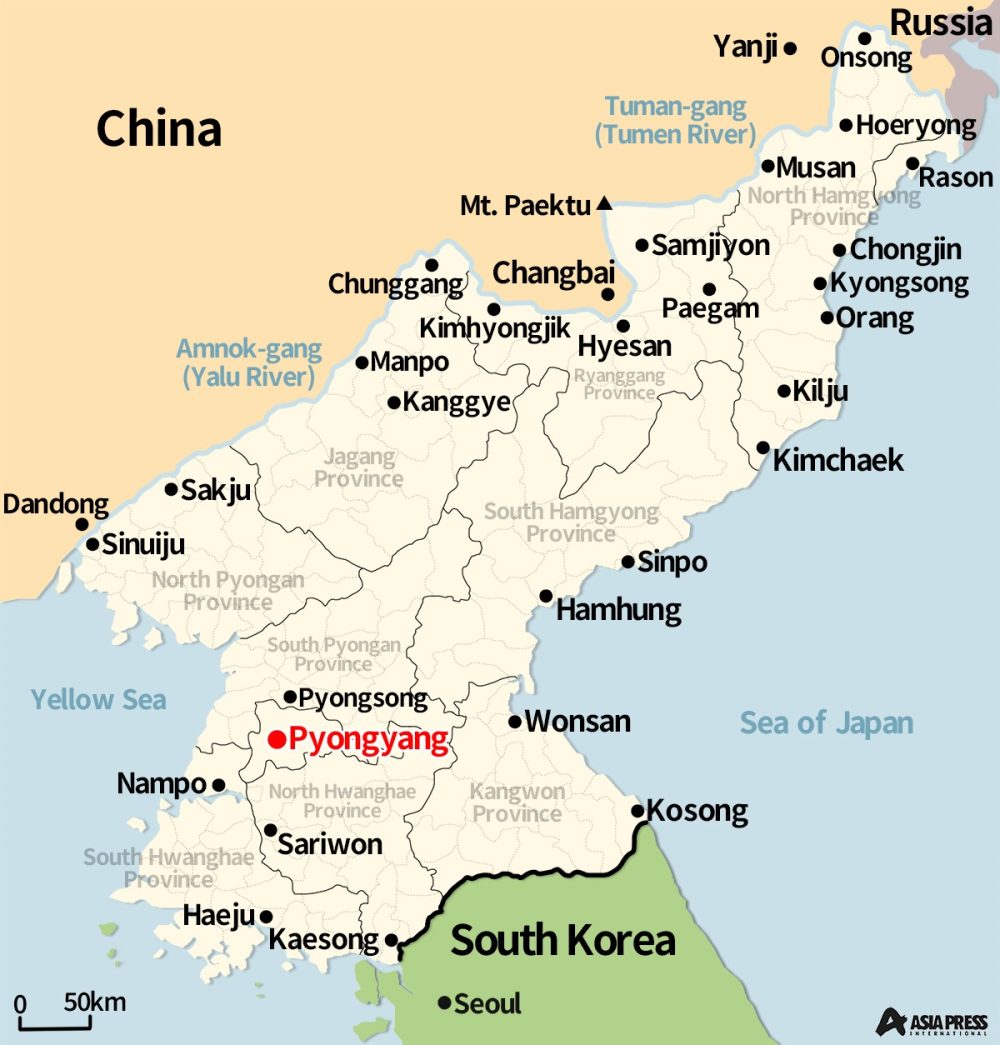
“On Oct. 26, people from the ore concentration workshop at the Musan Mine were caught trying to sell three tons of corn grown on the workshop’s (own) buopji through a private individual. A mine official personally explained (that it wasn’t illegal), but all of the corn was confiscated and handed over to the Grain Administration Bureau for failing to follow grain administration policy.”
※ Buopji: Farmland used by military units, other institutions or enterprises to grow food for their members.
Enterprises can sell grain grown on their buopji to other enterprises or exchange it for supplies they need, but they must report everything to the Grain Administration Bureau and get its approval.
◆ Farmers resent hungry soldiers forcing them to hand over food
Reporting Partner A said the excessive crackdown in Hoeryong described above even led the legal affairs department to step in and punish the military unit.
“The legal affairs department investigated the people who were wronged by the military unit, and I heard (the unit that went too far) is being rotated out and punished under military law. Once the investigation started, some of the confiscated corn was even returned.”
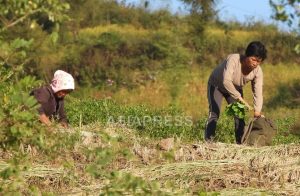
The soldiers’ abuses reportedly don’t stop there. “People are really resentful because (the soldiers) force them to hand over potatoes, pumpkins, sweet potatoes and other food, telling them to ‘support the Korean People’s Army.’ The soldiers make too much of revolutionary spirit and behave so violently that farm workers are suffering a lot.”
At the same time, however, Reporting Partner A expressed some sympathy: “Right now, the military only gives (soldiers) flour and soybean paste, so it’s no wonder they’re hungry.” The reporting partner added: “In the end, the state can’t feed its soldiers properly but still puts them in charge of crackdowns, so it’s ordinary people who get hurt.”
If the state is going to monopolize grain distribution, it needs to supply people with the amount they need on a stable basis. With grain prices continuing to rise abnormally, forcing through a state monopoly under the current circumstances can only end up shifting the burden onto farmers and the general public.
※ASIAPRESS communicates with its reporting partners through Chinese cell phones smuggled into North Korea.