◆ Over 1 million crossed into China, and many women fell victim to trafficking
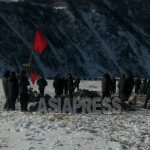
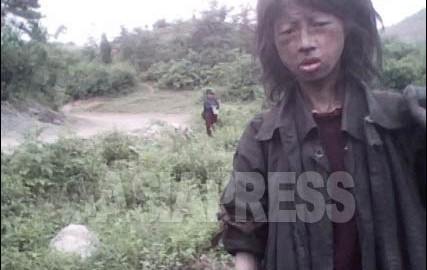
North Koreans began crossing into China en masse during the great famine of the mid-1990s known as the "Arduous March." At a time when there was not even barbed wire along the border, huge numbers of poor people, young and old, men and women alike, crossed the river under cover of darkness with no connections on the other side, hoping for something to eat and a little money. ASIAPRESS estimates that their numbers had exceeded 1 million by 2000.
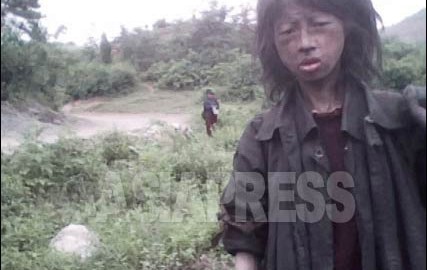
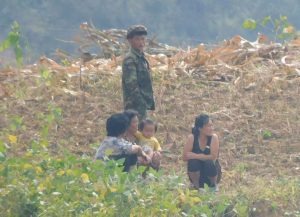
In the process, many North Korean women who crossed into China ended up living with men in rural areas who were short of wives or farm hands. The ones who profited by brokering these arrangements were brokers on both the North Korean and Chinese sides.
Many women were deceived by sweet talk such as "I'll find you a job" or "You can marry a kind, wealthy man," only to be sold or forced into prostitution. There were also cases of children being sold to families without an heir. The sign is a warning that harboring defectors and human trafficking of this kind will never be tolerated.
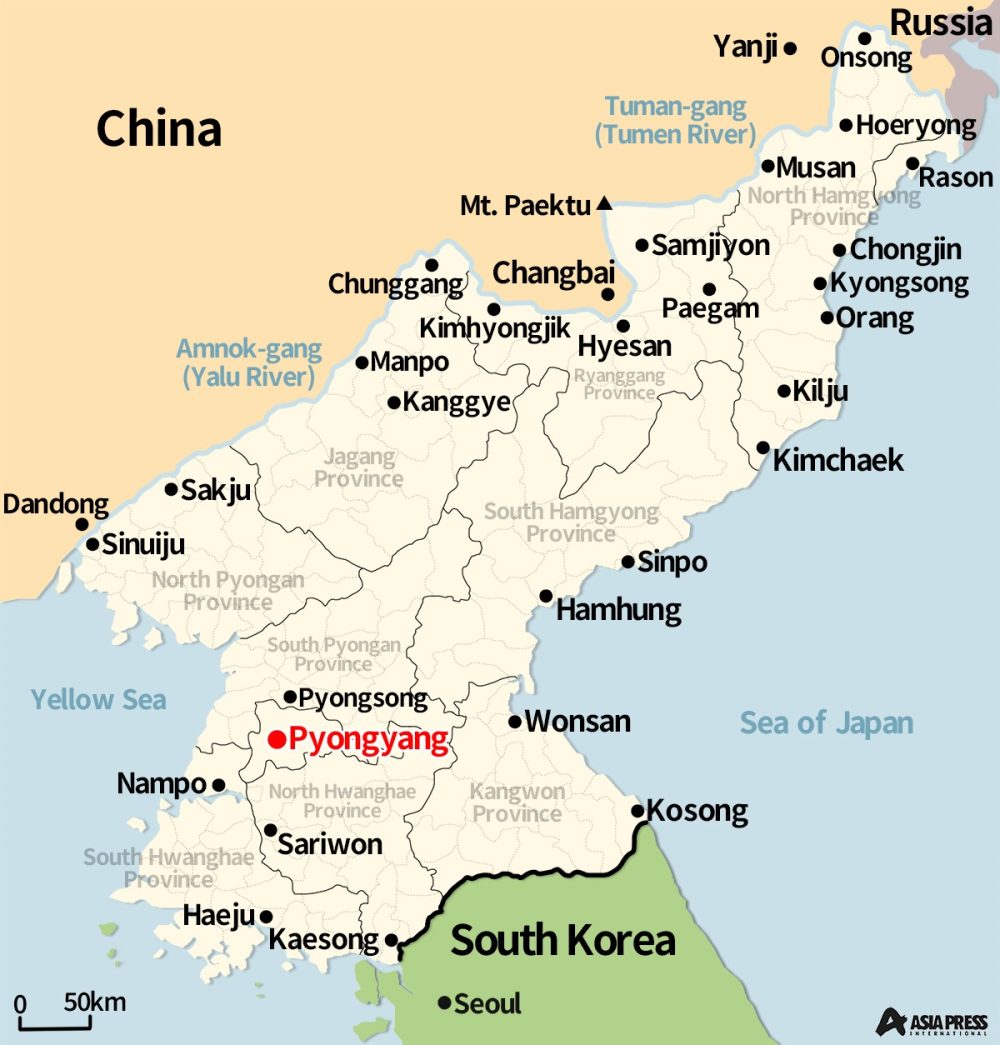
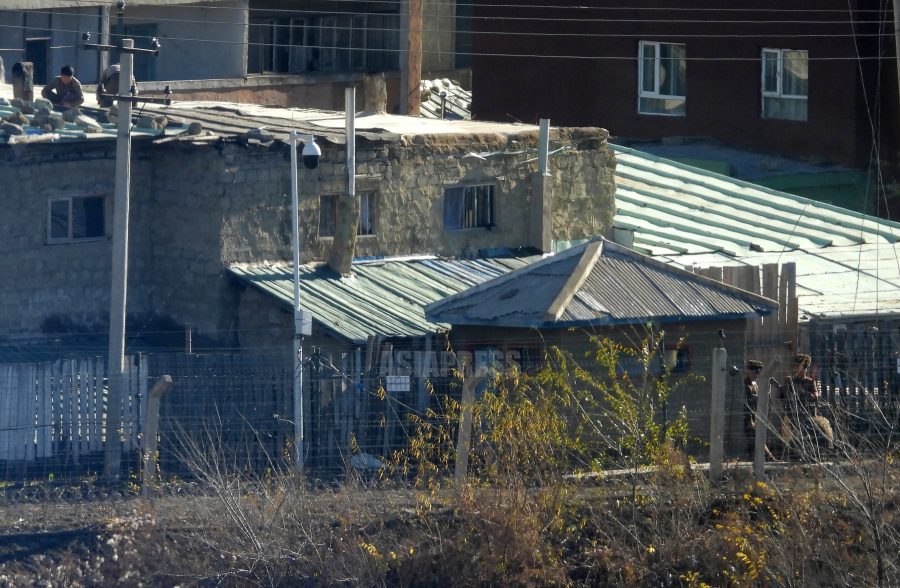
Using the COVID-19 pandemic as an opportunity, North Korea sealed off the entire 1,400-kilometer border with China with two or three layers of barbed wire and surveillance cameras. ASIAPRESS has reported on two men who crossed the border from Ryanggang Province at the end of October, but defection has now become almost impossible.
Last year, 223 North Korean defectors arrived in South Korea, but most of them left North Korea, legally or illegally, before the pandemic and had been living in China or other third countries for a long time. Only a handful of people escaped North Korea in 2025.
The sign "strictly prohibiting human trafficking" has stood in the same spot since 2016. Chinese authorities are still on guard against defections today.