China appears to be moving to resume imports of North Korean minerals and seafood, both of which are subject to UN Security Council sanctions. Volumes are still small, but copper ore seems to have been exported to China from Ryanggang Province several times since early summer. Word is also spreading inside North Korea that China will begin importing sanctioned goods in earnest from November, and trading companies are reportedly preparing to export. China is already officially exporting vehicles to North Korea, which also violates sanctions. Several reporting partners in northern North Korea provided these accounts in mid-October. (HONG Mari / KANG Ji-won)
◆“Shipments of 3 to 5 tons at a time, sent for ‘content testing’”
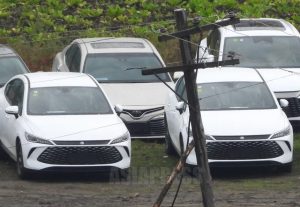
On October 16, ASIAPRESS reported that China is “officially” exporting vehicles to North Korea through customs, in violation of sanctions. That may not be the end of it. Several reporting partners in Ryanggang Province said in mid-October that China is expected to start importing North Korean minerals from November.
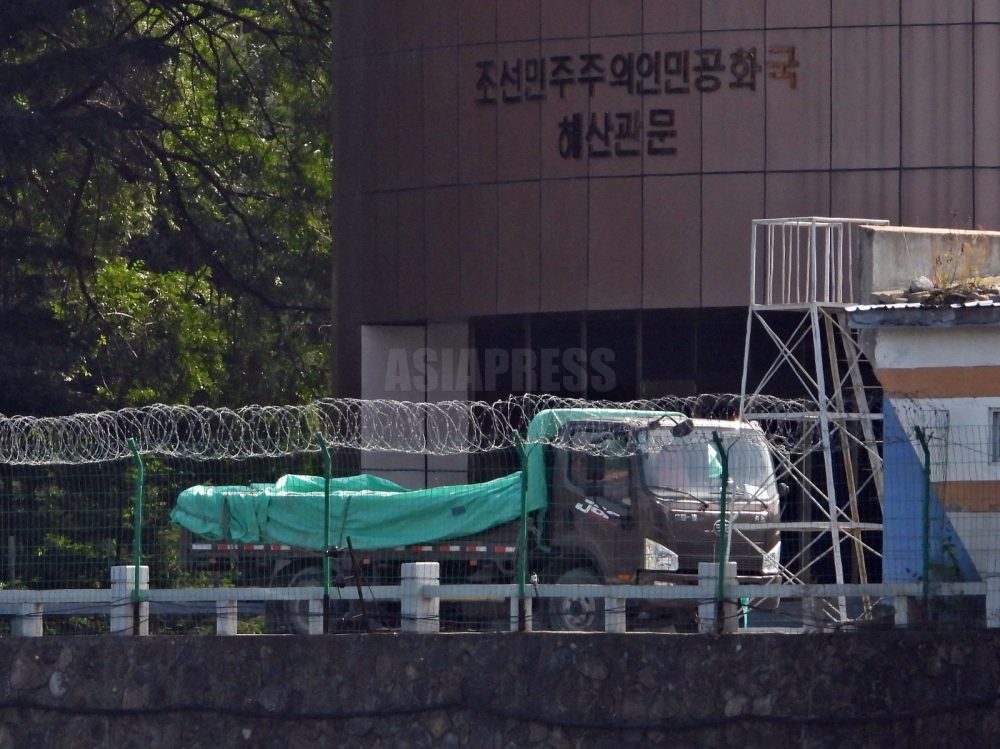
Exports of minerals not covered by sanctions, such as molybdenum and tungsten, have continued all along. According to the reporting partners, trial exports of copper concentrate, which is subject to sanctions, began at the end of June.
“Until recently, copper concentrate went to China through ‘state smuggling.’ Now it’s going through customs. The amounts aren’t large, about 3 to 5 tons at a time. They say these are trial exports for content testing and composition analysis. Smuggling, on the other hand, has stopped completely because China’s crackdowns have become so strict.” (Reporting Partner A, Ryanggang Province)
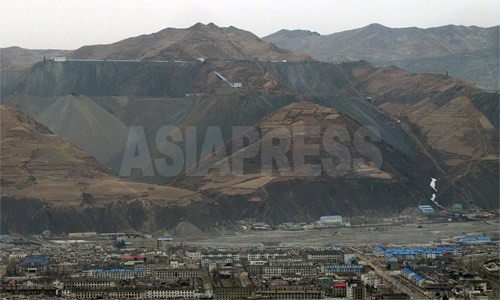
◆Full-scale exports may begin in November: “A Chinese working group is stationed at the mine”
Expectations are growing inside North Korea that China’s imports of these “sanctions-violating” resources will begin in earnest in November.
Reporting Partner A said: “There’s information that all mineral-related export bans will be lifted in November. Trading companies are already negotiating sales rights with the Hyesan Copper Mine. The mine used to deal with China on its own. Now trading companies licensed by the Ministry of External Economic Relations are negotiating terms and prices with China.”
Reporting Partner B, also in Ryanggang Province, said: “Trading companies keep collecting copper and other minerals. They’re getting ready so they can ship it right away once (the resumption of exports) is decided.”
Reporting Partner C lives in Musan County, North Hamgyong Province, home to North Korea’s largest iron mine, and provided more detailed information:
“People expect mineral exports to China to start in earnest in November. A Chinese working group has been sent to stay at the mine, and other people come regularly for on-site inspections. Investment representatives from Chinese companies also visit every week and tour the mine’s facilities with the Musan Mine’s trade delegation. Some of them reportedly work for Chinese companies that supply or invest in the facilities, haulage vehicles, equipment and materials the mine needs.”
In 2016, the year before the UN Security Council tightened sanctions on North Korea, “iron ore and concentrates” were North Korea’s fifth-largest export to China, worth about 64.5 million US dollars. After exports stopped, the Musan Mine’s operating rate fell sharply, and food supplies to its workers also worsened. Hopes for a resumption of iron ore exports are therefore running very high in Musan.
Taken together, accounts from reporting partners in Ryanggang and North Hamgyong provinces suggest that China wants North Korea to send concentrate with a higher metal content rather than raw ore, whether copper or iron. According to the reporting partners, China seems to believe this will let it avoid violating sanctions.