◆"Only the Packaging Was Changed to Korean"
Additionally, a reporting partner from Ryanggang Province said: "Domestic food products have become quite well established. Particularly candy and snacks are as popular as Chinese products." At the same time, they added: "Only the packaging was changed to Korean, so even though it is called domestic product, it is still semi-Chinese. Everyone perceives it that way. Even though the bag says 'Pyongsung Food Factory,' the raw materials are imported from China." Nevertheless, because domestic products are about 30% cheaper than Chinese products, "domestic" products are preferred.
The reporting partner photographed candy and snacks purchased at a state-run store and sent the photos. They reported that the prices are "candy sells for 4 yuan, snacks sell for 7 yuan."
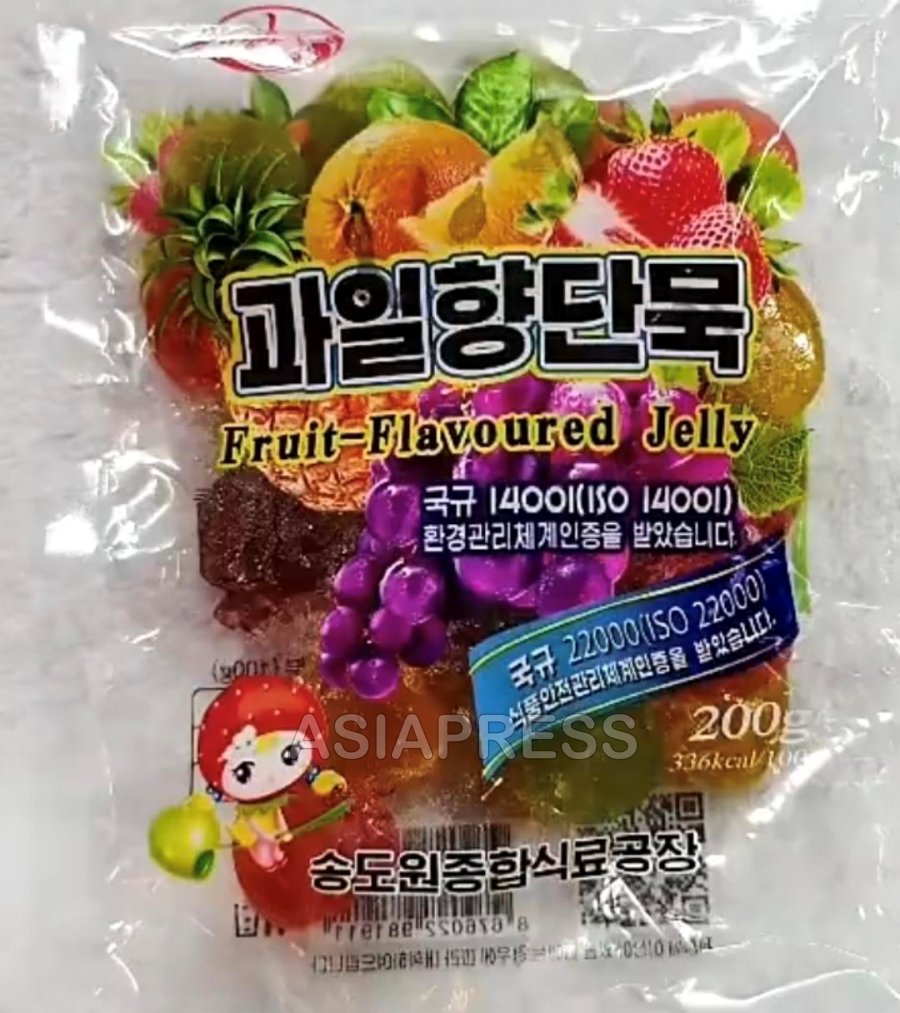
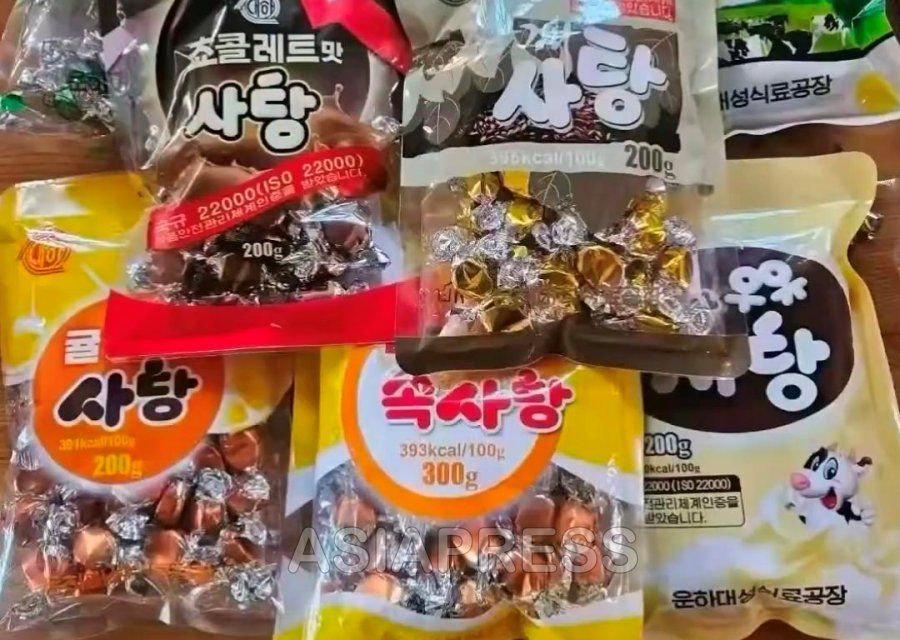
Although the Kim Jong-un regime strictly controls the use of foreign currency among residents, it appears that depending on the state-run store, payment in Chinese yuan is also possible. The criteria for whether foreign currency can be used are not precisely known.
※ 1 Chinese yuan is approximately 204 Korean won (as of September 1, 2026)
Even well-reviewed snacks do not sell well at state-run stores due to the prominent decline in purchasing power among residents. Therefore, the focus is ultimately on export to China. We will put out a separate report on developments in North Korean products entering the Chinese market.
※ ASIAPRESS communicates with its reporting partners through Chinese cell phones smuggled into North Korea.
■[List of Series]North Korea's Economy Seen Through a Large-Scale Price Survey