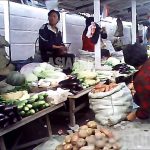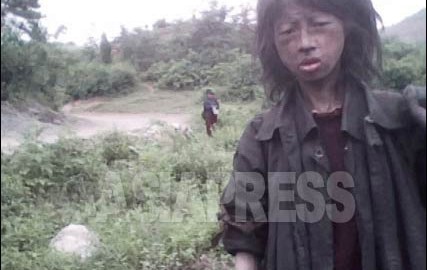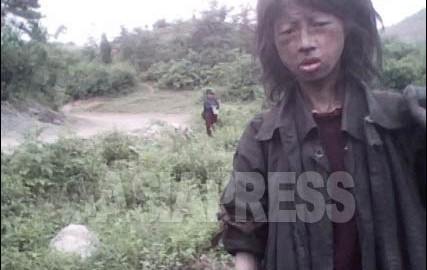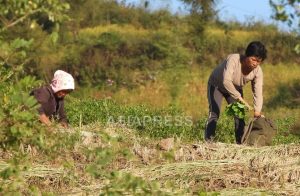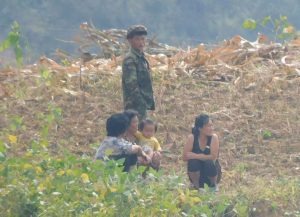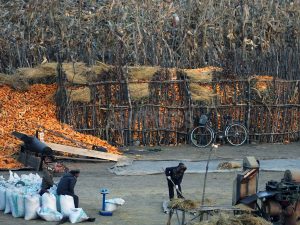
With the autumn harvest over, North Korea is tightly controlling the movement of grain. The Kim Jong-un regime wants to keep its state monopoly on grain sales by controlling the distribution of rice and corn, the country’s staple foods, so it is watching closely for grain smuggled out of rural areas. Military units as well as police have been deployed to run checkpoints on the roads. People who had even their privately owned grain confiscated have reportedly caused an uproar by protesting to Workers’ Party organizations. Several reporting partners in North Hamgyong Province passed on the news in late October. (HONG Mari / KANG Ji-won)
◆ Soldiers seize corn, prompting appeal to the Party
The Kim Jong-un regime used the COVID-19 pandemic as an opportunity to force through a state grain monopoly. It strictly banned the sale of rice, corn and other grains in markets and even tore down the market stalls. It also set up a system under which grain can be bought and sold only at state-run ryanggok panmaeso (grain shops) through the Grain Administration Bureau of each People’s Committee (local government). October and November, right after the harvest, are therefore the months when authorities are most on guard to keep individuals and others from illegally moving grain out of the countryside.
But it seems crackdowns are going too far. Reporting Partner A in Hoeryong, North Hamgyong Province, said local people even caused an uproar by appealing to Workers’ Party organizations about soldiers’ abuses.
“On Oct. 14, a woman from a farming village in Hoeryong was caught at a military checkpoint while trying to bring 30 kilograms of corn to her daughter, who lives in town. Even though all her paperwork (authorizing her to take the grain out) was in order, the soldiers confiscated the corn. The woman appealed to the city Party committee, and on the 20th, the legal affairs department launched an intensive investigation (into the military unit).”
◆ Strict limits on taking grain out of rural areas
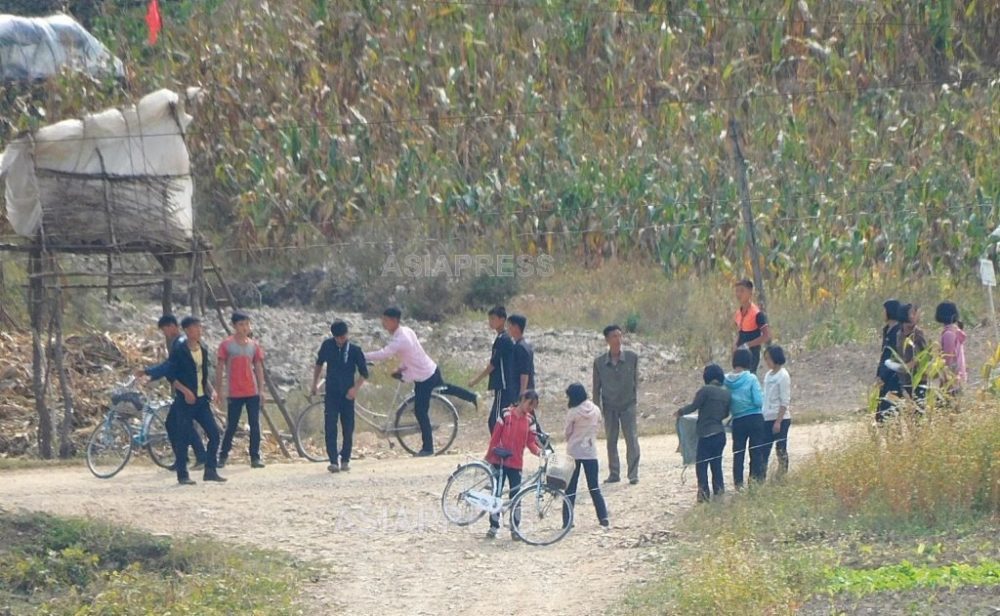
According to several reporting partners, up to 15 kilograms of grain can currently be taken out of rural areas without permission. Amounts above 15 kilograms can reportedly be taken out once the person shows the grain is privately owned and gets approval from the farm or a government office. In either case, however, the rules assume the grain is grown by farm workers in their yards or on private plots, or distributed to them by the farm, and that they are only sharing it with family or relatives, so taking out very large amounts is impossible. Moving grain out to sell it is, of course, strictly prohibited.
In other words, in the incident Reporting Partner A described, a farm worker followed proper procedures to give corn to her daughter, but a military unit wrongfully confiscated it simply because it exceeded the 15-kilogram limit.
◆ Vehicles thoroughly searched as authorities target transport
Similar incidents appear to be happening in many places. Reporting Partner A said: “(The soldiers) demanded to know where the corn came from and whether it had been properly approved. I heard one person even had 10 kilograms taken because the stamp (on their permit) wasn’t done properly.”
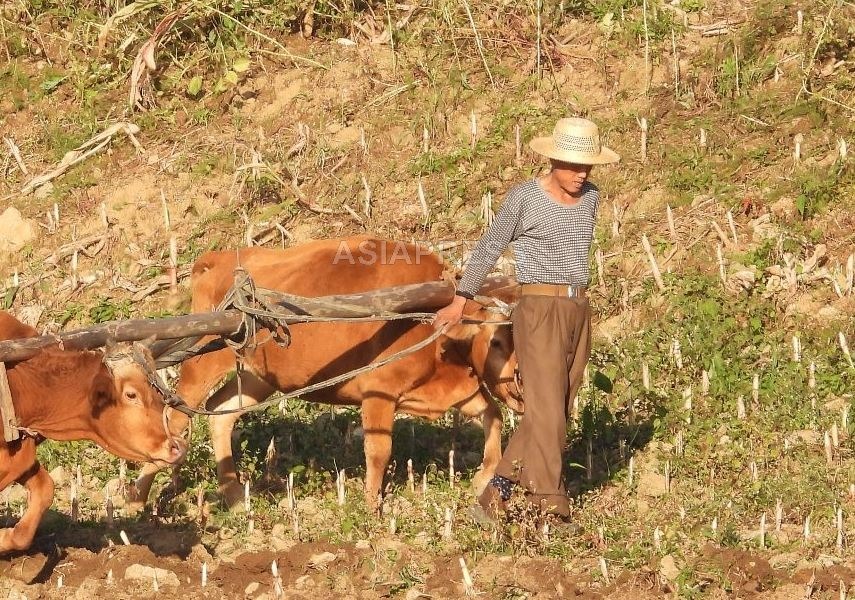
Reporting Partner A added: “Military units have even set up checkpoints on the roads (leading from the countryside into town), and there are always five vehicles lined up in front of them (waiting to be inspected). A lot of people are struggling because (the soldiers) use the crackdown on illegal grain transport as an excuse to demand bribes.”
Reporting Partner B in Musan County, North Hamgyong Province, also described excessive crackdowns:
“Since October, the mobile squads of the Social Security Bureau (police) have been under orders to focus on cracking down on illegal grain distribution. Crackdowns are also going on in the center of the county, so it’s hard to move more than 20 kilograms of corn (even with a legitimate reason). They’re especially watchful of transport routes and carry out surprise inspections of taxis and other vehicles. If anything seems even a little suspicious, they confiscate all of it and hand it over to the Grain Administration Bureau.”
Even though people naturally move grain around within towns as well, authorities have mobilized the police to keep a close eye on illegal grain sales.